Amazon Profit Calculator: Compare FBA vs FBM
An Amazon profit calculator is most useful when you run the same SKU twice: once with Fulfillment by Amazon (FBA) and once with seller fulfillment (FBM). Keep the selling price and product cost fixed, change only fulfillment-specific inputs, and record every assumption. The cheaper method is not automatically the better operating choice, but the comparison shows which cost is driving the gap.
The Maxmerce Amazon calculator estimates profit and margin, can work backward from a target margin, and separates FBA from seller-fulfilled inputs. It is a scenario tool, not an Amazon statement or profit guarantee.
Prepare one shared input set

| Input | What it represents | Check |
|---|---|---|
| Selling price | The offer price used in both scenarios | Do not compare FBA at one price with FBM at another until the base comparison is complete. |
| Product cost | Unit acquisition or manufacturing cost | Allocate inbound freight, prep and packaging consistently. |
| Category | The Amazon category used for the referral-fee assumption | Confirm the actual product category; do not select one for a lower estimate. |
| Advertising and other variable costs | Expected per-order or percentage costs | Use the same assumption in both scenarios unless fulfillment changes it. |
Amazon’s public pricing page explains that sellers may pay a selling-plan fee and referral fees, with additional costs depending on optional programs and fulfillment. Amazon also provides its own Revenue Calculator. Use current official rates for your marketplace and product; do not rely on a screenshot or a remembered fee. For the FBA side, review Amazon’s current FBA overview before assuming which services or costs apply.
Add the FBA-specific costs
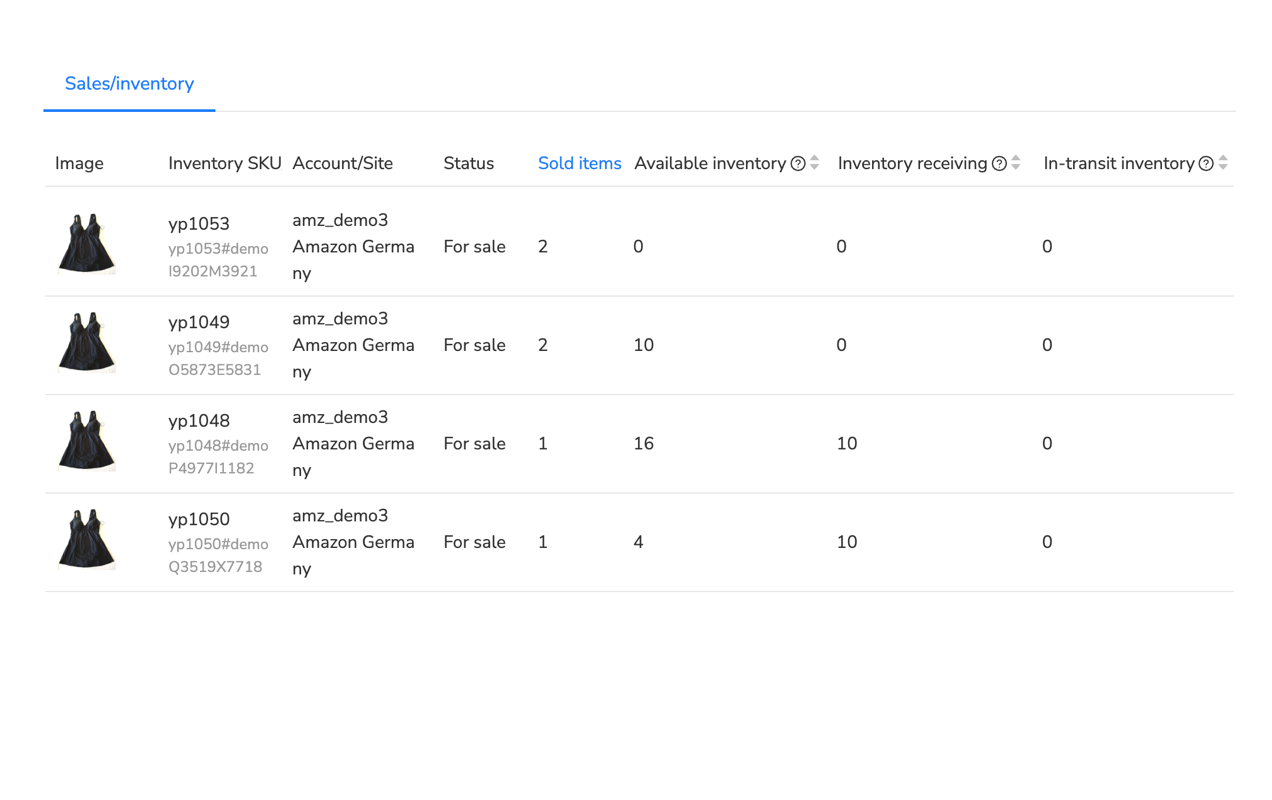
For the FBA scenario, enter product dimensions, shipping weight and the fees or costs associated with sending and storing inventory in Amazon’s network. Model costs that change with time or inventory behavior separately rather than hiding them in one unexplained number.
- FBA fulfillment estimate
- monthly storage assumption
- inbound placement or transportation allocation
- labeling, prep and packaging
- aged-inventory or removal risk when relevant
Dimensions can materially affect fulfillment economics. Use packaged dimensions and weight that match the sellable unit, then compare the result with Amazon’s current official estimator before committing inventory.
Add the FBM-specific costs

Seller fulfillment replaces FBA fulfillment and storage with your own operating costs. Include the shipping label, packaging, pick-and-pack labor or service fees, storage allocation, returns handling and any software or service cost that truly varies with the order.
Do not treat your own labor as free merely because no platform invoice shows it. If the decision is sensitive to labor assumptions, run a low, expected and high case.
Read the comparison as a cost-driver map
| Question | FBA scenario | FBM scenario |
|---|---|---|
| Largest variable cost | Fulfillment, storage, inbound or size tier? | Shipping, labor, packaging or storage? |
| Operational constraint | Inventory placement, capacity and stock age | Daily order handling, delivery promise and returns |
| Sensitivity test | Change dimensions, storage months or inbound allocation | Change shipping zone, labor or package cost |
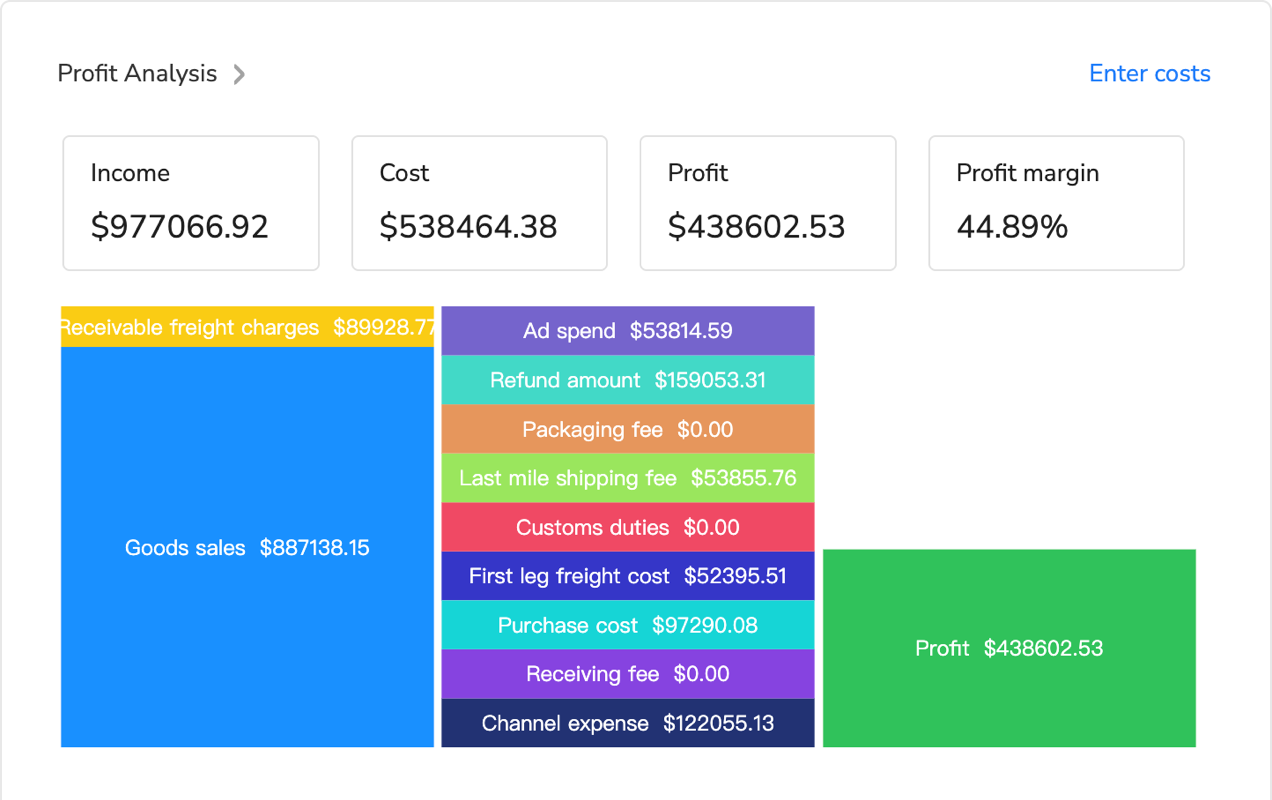
The result with the higher estimated profit deserves further review, not automatic selection. Check service level, inventory risk, customer experience, cash flow and the work your team can reliably perform.
If storage is the deciding cost, use the scenarios in Amazon FBA storage cost reduction guide to isolate stock age and storage assumptions. For broader fee reconciliation, compare the model with the existing Amazon profit breakdown.
Work backward from a target price
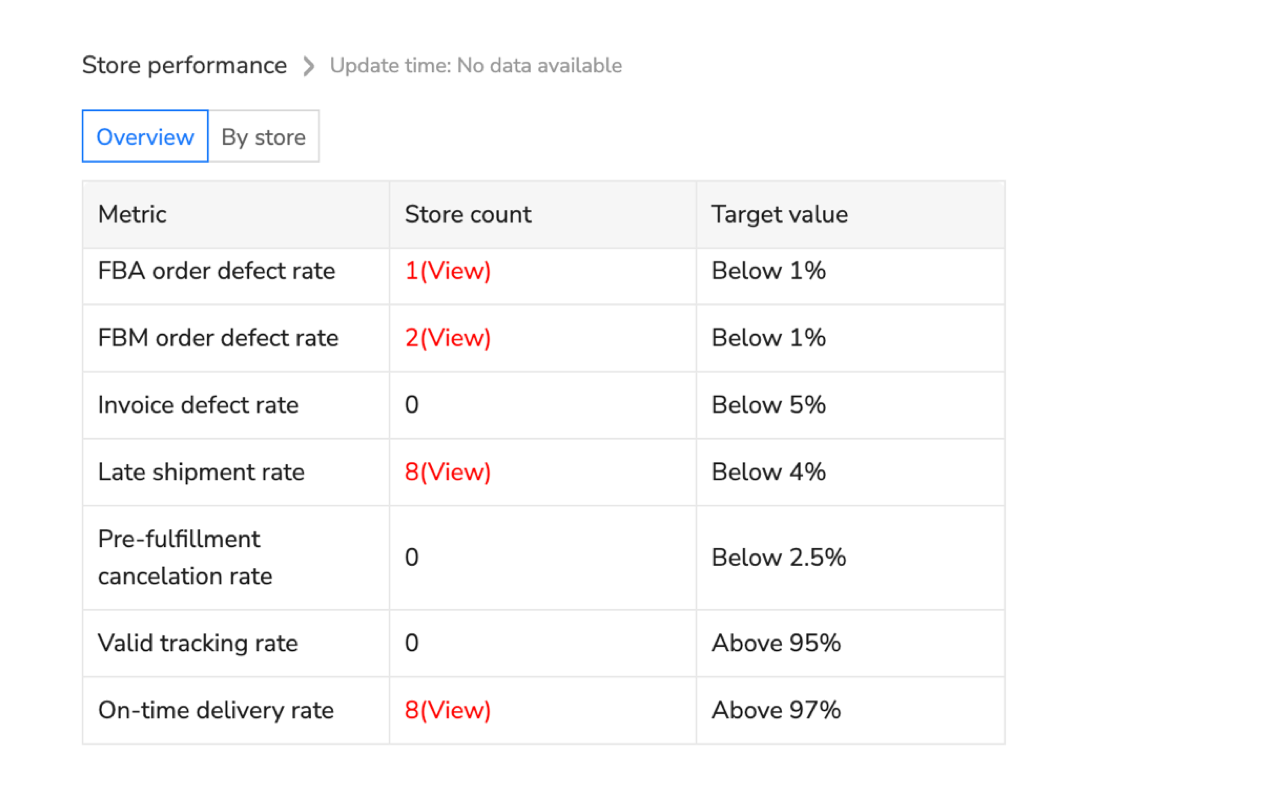
After the base comparison, use target-price mode for each method. If FBA requires a materially different price than FBM for the same target margin, identify the exact input causing the difference. Then test whether that input can change without weakening the offer.
Use the calculator to structure the comparison, while preserving the source and date for every fee assumption.
Frequently asked questions
Is FBM always more profitable than FBA?
No. The result depends on the product, dimensions, shipping, storage, labor and service assumptions. Compare the same SKU with dated inputs.
Should I include advertising cost?
Include a realistic scenario if advertising is part of the offer economics, then also save a no-ad or lower-ad case so you can see how sensitive margin is to spend.
Does the calculator replace Amazon’s Revenue Calculator?
No. Use current official Amazon tools and statements to verify platform fee assumptions. Maxmerce helps organize a broader profit and target-price scenario.
How often should I update the model?
Update it when price, category, packaged dimensions, fulfillment method, shipping, storage duration, referral fees or operating costs change.