The Ultimate eBay Profit Calculator Guide: Maximize Your Selling Success with Maxmerce

Reading Time: Approximately 12-15 minutes
Introduction
Running a successful eBay business requires more than just listing great products and hoping for the best. In today’s competitive e-commerce landscape, understanding your true profit margins is the difference between thriving and merely surviving as an eBay seller. Yet, a staggering 73% of eBay sellers struggle with accurate profit calculations, often underestimating hidden costs and fees that can silently erode their bottom line.
The complexity of eBay’s fee structure, combined with variables like shipping costs, advertising expenses, and payment processing fees, creates a perfect storm of confusion for sellers at every level. Many sellers discover too late that what appeared to be a profitable sale actually resulted in a loss when all costs are properly accounted for. This is where a reliable eBay profit calculator becomes not just helpful, but essential for sustainable business growth.
Whether you’re a newcomer to eBay selling or a seasoned entrepreneur managing multiple storefronts, this comprehensive guide will walk you through everything you need to know about calculating your true eBay profits. We’ll explore the critical components that impact your margins, introduce you to advanced calculation tools, and show you how Maxmerce’s sophisticated profit analyzer can transform your approach to eBay selling.
By the end of this article, you’ll have the knowledge and tools necessary to make informed pricing decisions, optimize your product mix, and maximize your eBay profits with confidence. Let’s dive into the world of precise profit calculation and discover how the right tools can revolutionize your eBay business.
Why Accurate Profit Calculation Matters for eBay Sellers

The foundation of any successful eBay business lies in understanding your true profit margins. Without accurate calculations, sellers often fall into common traps that can devastate their profitability over time. Research shows that businesses using precise profit calculation tools see an average increase of 23% in their overall profitability within the first six months of implementation.
eBay’s fee structure has evolved significantly over the years, particularly with the introduction of managed payments and various promotional tools. Today’s sellers must navigate a complex landscape of fees that can vary based on category, seller status, store subscription level, and promotional activities. The final value fee alone can range from 3.49% to 15% depending on the item category, while additional charges for international sales, promoted listings, and below-standard seller status can quickly compound.
One of the most common mistakes sellers make is focusing solely on the final value fee while overlooking other significant costs. Payment processing fees, shipping discrepancies, return handling costs, and advertising expenses can collectively represent 15-25% of the total sale price. When sellers fail to account for these variables, they often price their items too low, resulting in minimal profits or actual losses.
Consider this real-world scenario: A seller lists a $100 item thinking they’ll profit $85 after the standard 15% eBay fee. However, when factoring in the actual final value fee of 12.9%, payment processing fee of $0.30, shipping cost variance of $3, promoted listing fee of 2%, and the original item cost of $60, their actual profit drops to just $19.50 – a 77% reduction from their initial expectation.
The psychological impact of inaccurate profit calculations extends beyond immediate financial losses. Sellers who consistently underestimate costs often experience decision fatigue, reduced confidence in pricing strategies, and eventual burnout. Conversely, those who master profit calculation report higher satisfaction levels, better strategic decision-making, and more sustainable business growth.
eBay Fee Structure Breakdown
Understanding eBay’s current fee structure is crucial for accurate profit calculation. The following table outlines the primary fees that impact seller profitability:
| Fee Type | Rate | Description | Impact on Profit |
| Final Value Fee | 3.49% – 15% | Percentage of total sale price including shipping | High |
| Fixed Transaction Fee | $0.30 | Per transaction charge | Medium |
| International Fee | 1.65% | Additional fee for international sales | Medium |
| Promoted Listings | 2% – 20% | Variable based on competition and bid | High |
| Store Subscription | $4.95 – $2,999.95/month | Monthly fee for store features | Low-Medium |
| Insertion Fee | $0.35 | Per listing fee (varies by category) | Low |
The complexity of these fees underscores the importance of using sophisticated calculation tools that can account for all variables simultaneously. Manual calculations become increasingly error-prone as sellers scale their operations and manage multiple product categories with different fee structures.
Key Factors That Impact Your eBay Profit Margins

Successful eBay profit calculation requires a comprehensive understanding of all cost components that affect your bottom line. While many sellers focus primarily on eBay fees, the reality is that profitable selling involves managing multiple cost centers that can significantly impact your margins. Let’s examine each critical factor that determines your true profit margins.
Product Cost and Sourcing Expenses form the foundation of your profit calculation. This includes not only the wholesale or manufacturing cost of the item but also associated expenses such as minimum order quantities, shipping from suppliers, customs duties for international sourcing, and storage costs. Many sellers underestimate the true cost of goods sold by failing to include these ancillary expenses, which can add 10-15% to the base product cost.
eBay Managed Payments and Processing Fees have streamlined the payment process but introduced new fee structures that sellers must understand. The managed payments system charges a percentage-based fee that varies by payment method, with credit cards typically incurring higher fees than bank transfers or digital wallets. Additionally, currency conversion fees apply to international transactions, and chargeback fees can impact sellers who experience payment disputes.
Shipping and Fulfillment Costs represent one of the most variable and challenging aspects of profit calculation. Beyond the obvious shipping carrier fees, sellers must account for packaging materials, handling time, insurance costs, and potential shipping discrepancies. The rise of free shipping expectations has forced many sellers to build shipping costs into their item prices, making accurate calculation even more critical for maintaining competitive pricing while preserving margins.
Advertising and Promotional Expenses have become increasingly important as eBay’s marketplace becomes more competitive. Promoted listings, external advertising campaigns, and seasonal promotional activities can significantly impact profitability. The challenge lies in accurately attributing advertising costs to specific sales, as the effects of promotional activities often extend beyond immediate conversions to influence long-term brand recognition and customer acquisition.
Return and Customer Service Costs are often overlooked but can substantially impact profit margins, particularly in categories with higher return rates. These costs include return shipping, restocking fees, customer service time, and potential item depreciation. Categories such as electronics and fashion typically experience return rates of 15-30%, making these costs a significant factor in overall profitability calculations.
Operational Overhead and Time Investment represent the hidden costs that many sellers fail to quantify. This includes the time spent on listing creation, customer communication, inventory management, and business administration. While these costs may not appear on traditional profit and loss statements, they represent real economic value that should be factored into pricing decisions for sustainable business operations.
The interconnected nature of these cost factors means that changes in one area can have cascading effects on overall profitability. For example, choosing a lower-cost supplier might reduce product costs but could increase return rates due to quality issues, ultimately impacting net profitability. This complexity underscores the importance of using comprehensive calculation tools that can model various scenarios and their impact on profit margins.
Modern eBay sellers who achieve consistent profitability understand that successful profit calculation is not a one-time activity but an ongoing process that requires regular monitoring and adjustment. Market conditions, fee structures, and operational costs all evolve over time, necessitating dynamic calculation approaches that can adapt to changing circumstances while maintaining accuracy and reliability.
Maxmerce: The Most Advanced eBay Profit Calculator Tool
In the crowded landscape of eBay seller tools, Maxmerce stands out as a comprehensive solution that goes far beyond simple fee calculation. As an all-in-one SaaS platform designed specifically for multi-channel e-commerce sellers, Maxmerce’s profit analyzer represents the pinnacle of sophisticated profit calculation technology, combining real-time data processing with advanced analytics to deliver unprecedented accuracy and insight.
The Maxmerce Advantage in Profit Analysis lies in its holistic approach to e-commerce management. Unlike standalone calculators that focus solely on fee computation, Maxmerce integrates profit analysis with listing management, customer relationship tools, and advertising optimization. This integration ensures that profit calculations reflect the complete picture of your business operations, including the often-overlooked costs associated with customer acquisition, retention, and operational efficiency.
The platform’s Profit Analyzer module represents a quantum leap forward in calculation sophistication. Built on advanced algorithms that process real-time data from multiple sources, the system automatically factors in dynamic variables such as seasonal fee adjustments, promotional campaign costs, and market-specific variations. This level of automation eliminates the manual errors that plague traditional calculation methods while providing insights that would be impossible to achieve through conventional approaches.
Real-Time Data Integration sets Maxmerce apart from competitors who rely on static fee tables and manual input. The platform maintains live connections with eBay’s API systems, ensuring that fee calculations reflect the most current rates and policies. This real-time capability is particularly valuable given eBay’s frequent policy updates and seasonal promotional adjustments that can significantly impact seller costs.
The system’s Multi-Dimensional Analysis Capabilities provide sellers with unprecedented visibility into their profit drivers. Rather than simply calculating profit for individual transactions, Maxmerce analyzes profitability across multiple dimensions including product categories, time periods, customer segments, and sales channels. This comprehensive analysis enables sellers to identify their most profitable products, optimize their inventory mix, and make data-driven decisions about business expansion.
Advanced Cost Attribution represents another significant advantage of the Maxmerce platform. The system automatically tracks and allocates indirect costs such as advertising expenses, customer service time, and operational overhead across relevant transactions. This sophisticated cost accounting provides a more accurate picture of true profitability than simple fee-based calculations, enabling sellers to make more informed pricing and inventory decisions.
Maxmerce vs. Traditional eBay Calculators
The differences between Maxmerce and traditional eBay fee calculators are substantial and meaningful for serious sellers:
| Feature | Traditional Calculators | Maxmerce Profit Analyzer |
| Data Source | Static fee tables | Real-time API integration |
| Cost Factors | Basic eBay fees only | Comprehensive cost analysis |
| Analysis Scope | Single transaction | Multi-dimensional insights |
| Automation Level | Manual input required | Automated data processing |
| Accuracy | Estimates only | Precise calculations |
| Business Intelligence | None | Advanced analytics |
| Integration | Standalone tool | Full platform integration |
| Scalability | Limited | Enterprise-ready |
Predictive Analytics and Forecasting capabilities within Maxmerce enable sellers to model different scenarios and their impact on profitability. The platform can simulate the effects of pricing changes, fee adjustments, or operational modifications, allowing sellers to optimize their strategies before implementing changes. This predictive capability is particularly valuable for seasonal planning and new product launches.
The platform’s Competitive Intelligence Integration adds another layer of sophistication to profit analysis. By monitoring competitor pricing and market trends, Maxmerce can provide recommendations for optimal pricing strategies that balance profitability with market competitiveness. This intelligence helps sellers avoid the common trap of competing solely on price while maintaining healthy profit margins.
Customizable Reporting and Dashboards ensure that profit analysis information is presented in formats that support decision-making. Sellers can create custom views that highlight the metrics most relevant to their business model, whether that’s category-specific profitability, customer lifetime value, or seasonal performance trends. These customizable interfaces make complex data accessible and actionable for sellers at all experience levels.
The Scalability and Multi-Account Management features of Maxmerce make it particularly valuable for growing businesses. The platform can simultaneously manage profit calculations across multiple eBay accounts, different marketplaces, and various business entities. This scalability ensures that the investment in learning and implementing the platform continues to provide value as businesses grow and evolve.
Step-by-Step Guide to Using Maxmerce Profit Calculator
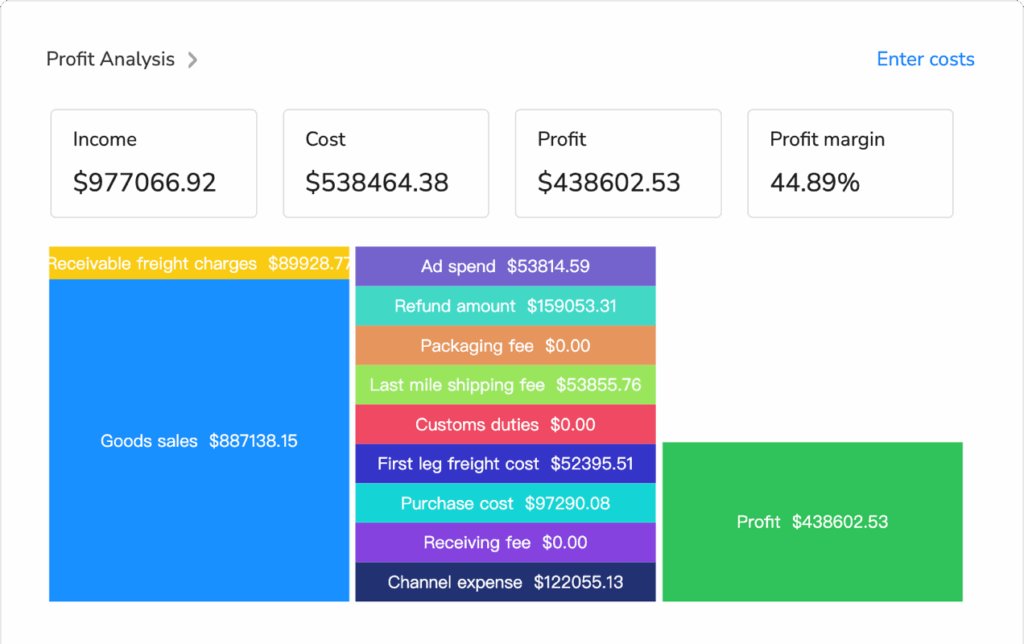
Getting started with Maxmerce’s profit calculator is designed to be intuitive while providing access to sophisticated analytical capabilities. The platform’s user-friendly interface ensures that both newcomers and experienced sellers can quickly harness its power to optimize their eBay profitability. This comprehensive guide will walk you through each step of the setup and utilization process.
Initial Account Setup and Integration begins with creating your Maxmerce account and connecting it to your eBay seller account. The platform uses secure OAuth authentication to establish this connection, ensuring that your sensitive business data remains protected throughout the integration process. During setup, you’ll grant Maxmerce permission to access your sales data, inventory information, and fee structures, which enables the platform to provide accurate, real-time profit calculations.
The Product Information Configuration phase involves setting up your product catalog within the Maxmerce system. This process can be streamlined through bulk import features that automatically pull existing listing data from your eBay account. For each product, you’ll need to specify key cost components including wholesale price, shipping costs to your location, storage fees, and any category-specific handling requirements. The platform’s intelligent data validation helps identify potential errors or missing information that could impact calculation accuracy.
Fee Structure Customization allows you to configure the system to reflect your specific seller status and store subscription level. Maxmerce automatically detects many of these settings through its eBay integration, but manual verification ensures accuracy. This includes setting up your Top Rated Seller status, store subscription level, international selling preferences, and any category-specific fee variations that apply to your business model.
Cost Center Definition represents one of Maxmerce’s most powerful features for accurate profit calculation. Beyond basic product and eBay fees, you can define custom cost centers that reflect your unique business operations. This might include photography costs for new listings, customer service time allocation, return processing expenses, or seasonal storage fees. The platform’s flexible cost allocation system ensures that these expenses are properly distributed across relevant transactions.
Automated Data Synchronization ensures that your profit calculations remain current as your business evolves. Maxmerce continuously monitors your eBay account for new sales, fee changes, and policy updates, automatically incorporating this information into ongoing profit analysis. This real-time synchronization eliminates the need for manual data entry while ensuring that calculations reflect the most current business conditions.
The Analysis and Reporting Interface provides multiple views of your profit data, each designed to support different types of business decisions. The dashboard overview presents key performance indicators including total profit, profit margins by category, and trending analysis over customizable time periods. Detailed transaction views allow you to drill down into specific sales to understand the complete cost breakdown and identify optimization opportunities.
Scenario Modeling and Forecasting capabilities enable you to test different business strategies before implementation. You can model the impact of pricing changes, fee adjustments, or operational modifications to understand their effect on profitability. This predictive capability is particularly valuable for seasonal planning, new product launches, or strategic business pivots.
Custom Alert Configuration helps you stay informed about important changes that could impact your profitability. You can set up alerts for margin drops below specified thresholds, unusual fee charges, or significant changes in cost structures. These proactive notifications enable quick responses to potential issues before they significantly impact your bottom line.
Integration with Other Maxmerce Modules amplifies the value of profit calculation by connecting it with listing optimization, customer relationship management, and advertising tools. For example, the platform can automatically adjust promoted listing bids based on profit margin targets, or recommend inventory adjustments based on profitability analysis. This integrated approach ensures that profit optimization becomes a central consideration in all business decisions.
Data Export and Third-Party Integration capabilities ensure that Maxmerce profit data can be incorporated into your broader business intelligence systems. The platform supports various export formats and API connections that enable integration with accounting software, business intelligence tools, and custom reporting systems. This flexibility ensures that Maxmerce can fit seamlessly into your existing business workflow.
Unlock Advanced Profit Insights with Maxmerce Analytics
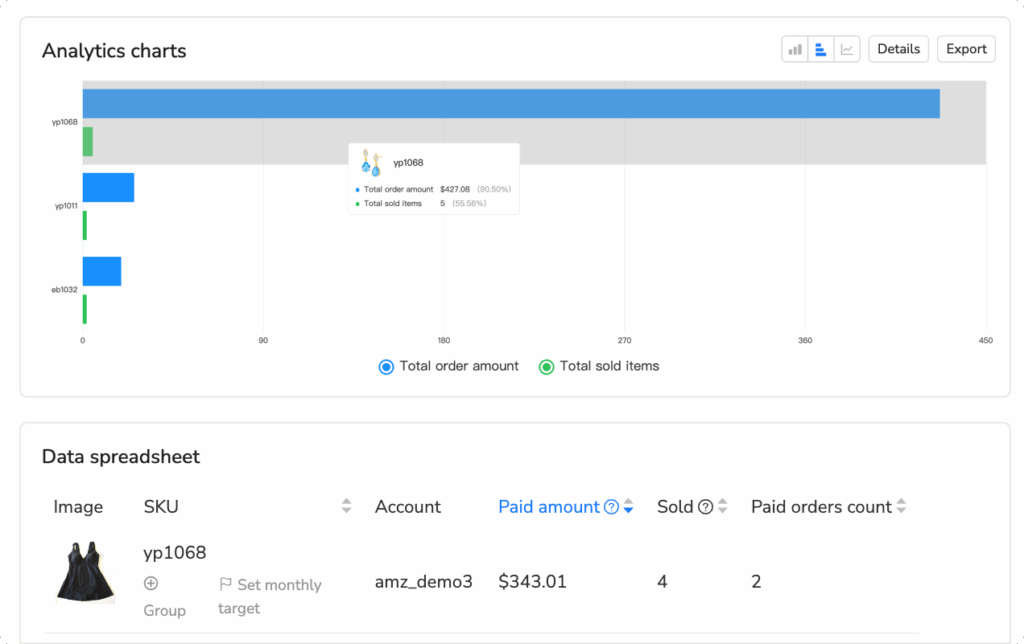
The true power of Maxmerce extends far beyond basic profit calculation into the realm of advanced business intelligence and predictive analytics. These sophisticated features transform raw transaction data into actionable insights that can drive strategic decision-making and sustainable business growth. Understanding and leveraging these advanced capabilities can provide a significant competitive advantage in the crowded eBay marketplace.
Real-Time Performance Monitoring provides continuous visibility into your business performance with minute-by-minute updates on key metrics. The platform’s advanced dashboard displays live profit margins, sales velocity, and cost trends, enabling immediate responses to market changes or operational issues. This real-time capability is particularly valuable during high-volume selling periods or promotional campaigns where rapid adjustments can significantly impact overall profitability.
The Competitive Intelligence Module automatically monitors competitor pricing, sales volume, and market positioning to provide context for your profit optimization strategies. By understanding how your pricing compares to market standards and how competitors respond to market changes, you can make more informed decisions about pricing strategies that balance profitability with market competitiveness. This intelligence helps avoid the common trap of engaging in destructive price wars while identifying opportunities for premium positioning.
Customer Lifetime Value Analysis extends profit calculation beyond individual transactions to consider the long-term value of customer relationships. The platform tracks customer purchase patterns, return rates, and communication costs to calculate the true profitability of different customer segments. This analysis enables more sophisticated marketing strategies and customer service investments that optimize long-term profitability rather than focusing solely on immediate transaction margins.
Inventory Optimization Algorithms use profit analysis data to recommend optimal inventory levels and product mix decisions. By analyzing historical sales data, seasonal trends, and profit margins, the platform can identify which products deserve increased investment and which should be phased out. This data-driven approach to inventory management helps maximize return on investment while minimizing carrying costs and obsolescence risks.
Advanced Cost Attribution Models provide sophisticated methods for allocating indirect costs across your product portfolio. The platform can distribute advertising expenses, customer service costs, and operational overhead based on various allocation methods including sales volume, profit contribution, or custom business rules. This advanced cost accounting provides a more accurate picture of true product profitability than simple direct cost calculations.
Predictive Analytics and Forecasting capabilities enable sellers to anticipate future trends and plan accordingly. The platform analyzes historical data patterns, seasonal variations, and market trends to forecast future sales and profit performance. These predictions can inform inventory planning, pricing strategies, and resource allocation decisions, helping sellers stay ahead of market changes rather than simply reacting to them.
Multi-Channel Profit Consolidation becomes increasingly important as sellers expand beyond eBay to other marketplaces. Maxmerce can aggregate profit data across multiple sales channels, providing a unified view of business performance that accounts for the different fee structures, customer behaviors, and operational requirements of each platform. This consolidated analysis enables more strategic decisions about channel investment and resource allocation.
Custom KPI Development allows sellers to define and track performance indicators that are specific to their business model and goals. Whether focusing on profit per hour invested, return on advertising spend, or customer acquisition costs, the platform’s flexible analytics engine can calculate and monitor virtually any metric that drives business success. This customization ensures that the platform adapts to your business rather than forcing your business to adapt to the platform.
Automated Reporting and Insights reduce the time and effort required to stay informed about business performance. The platform can generate and distribute custom reports on scheduled intervals, highlighting key trends, anomalies, or opportunities that require attention. These automated insights help busy sellers stay informed about their business performance without spending excessive time on manual analysis.
Integration with External Data Sources enables even more sophisticated analysis by incorporating market data, economic indicators, and industry trends into profit calculations. This external data integration can provide early warning of market changes, seasonal adjustments, or competitive threats that could impact profitability. By considering these external factors, sellers can make more informed strategic decisions and adjust their operations proactively rather than reactively.
How Maxmerce Compares to Other eBay Fee Calculators

The eBay seller tools market offers numerous options for profit calculation, ranging from simple fee calculators to comprehensive business management platforms. Understanding how Maxmerce compares to these alternatives is crucial for making an informed decision about which tool best serves your business needs. This detailed comparison examines the key differentiators that set Maxmerce apart from the competition.
Traditional Fee Calculators like FinalFeeCalc and eBayFeesCalculator serve a specific purpose in the seller ecosystem by providing quick, basic calculations for individual transactions. These tools typically focus on eBay’s standard fees and offer simple interfaces that require manual input for each calculation. While useful for occasional sellers or quick estimates, they lack the sophistication and automation required for serious business operations.
The primary limitation of traditional calculators lies in their static nature and narrow scope. They rely on manually updated fee tables that may not reflect the most current eBay policies, and they typically ignore many cost factors that significantly impact profitability. For sellers managing multiple products or seeking to optimize their business operations, these tools provide insufficient depth and accuracy for meaningful decision-making.
Comprehensive Seller Platforms like ZIK Analytics and AutoDS offer more sophisticated features that extend beyond basic fee calculation. These platforms typically include market research tools, listing optimization features, and basic analytics capabilities. However, their profit calculation modules often remain secondary features that lack the depth and integration found in specialized solutions like Maxmerce.
The key differentiator between Maxmerce and these comprehensive platforms lies in the depth of profit analysis and the level of integration between different business functions. While competitors may offer profit calculation as one of many features, Maxmerce has built its entire platform around the principle that accurate profit analysis should be central to all business decisions.
Detailed Feature Comparison
| Feature Category | Basic Calculators | Comprehensive Platforms | Maxmerce |
| Data Accuracy | Manual updates | Periodic API sync | Real-time integration |
| Cost Factors | eBay fees only | Basic cost categories | Comprehensive cost analysis |
| Automation Level | Manual input | Semi-automated | Fully automated |
| Business Intelligence | None | Basic reporting | Advanced analytics |
| Scalability | Single transaction | Limited multi-product | Enterprise-ready |
| Integration | Standalone | Limited integration | Full platform integration |
| Predictive Analytics | None | Basic forecasting | Advanced modeling |
| Custom Reporting | None | Template-based | Fully customizable |
| Multi-Channel Support | eBay only | Limited platforms | Comprehensive coverage |
| Cost Attribution | Direct costs only | Basic allocation | Sophisticated modeling |
Accuracy and Reliability represent perhaps the most critical differentiators when evaluating profit calculation tools. Maxmerce’s real-time API integration ensures that calculations reflect the most current fee structures and policy changes, while many competitors rely on periodic manual updates that can result in significant calculation errors during periods of policy change.
The platform’s Comprehensive Cost Analysis capabilities far exceed those of traditional alternatives. While basic calculators focus solely on eBay fees, and even sophisticated platforms often overlook indirect costs, Maxmerce provides detailed attribution of all cost factors including advertising expenses, customer service time, and operational overhead. This comprehensive approach provides a more accurate picture of true profitability.
Automation and Efficiency advantages become particularly apparent for sellers managing large inventories or multiple accounts. Maxmerce’s automated data processing eliminates the manual effort required by traditional calculators while providing more sophisticated analysis than semi-automated alternatives. This efficiency advantage compounds over time, saving significant time and reducing the risk of calculation errors.
Business Intelligence and Analytics capabilities represent a fundamental difference in approach between Maxmerce and its competitors. While traditional tools focus on individual transaction calculations, Maxmerce provides comprehensive business intelligence that enables strategic decision-making. This includes trend analysis, competitive intelligence, and predictive modeling that goes far beyond simple fee calculation.
Integration and Workflow Optimization distinguish Maxmerce from standalone tools and even comprehensive platforms that treat profit calculation as an isolated function. Maxmerce’s integrated approach ensures that profit analysis informs all business decisions, from listing optimization to advertising strategy, creating a more cohesive and effective business management experience.
Scalability and Growth Support become increasingly important as businesses expand. While basic calculators become unwieldy for large operations, and many comprehensive platforms struggle with enterprise-level requirements, Maxmerce is designed to scale seamlessly from small operations to large multi-channel businesses. This scalability ensures that the investment in learning and implementing the platform continues to provide value as businesses grow.
Expert Strategies to Boost Your eBay Profit Margins
Maximizing eBay profits requires more than just accurate calculation tools; it demands a strategic approach that leverages data insights to optimize every aspect of your selling operation. The most successful eBay sellers combine sophisticated profit analysis with proven optimization strategies to achieve sustainable growth and competitive advantages. These expert strategies, when implemented systematically, can significantly improve your bottom line.
Dynamic Pricing Optimization represents one of the most impactful strategies for profit maximization. Rather than setting static prices based on simple markup formulas, successful sellers use profit analysis data to implement dynamic pricing strategies that respond to market conditions, competition levels, and demand fluctuations. This approach involves regularly analyzing competitor pricing, monitoring market demand indicators, and adjusting prices to optimize the balance between sales volume and profit margins.
The key to effective dynamic pricing lies in understanding price elasticity for different product categories and customer segments. Products with low price sensitivity can often support higher margins, while highly competitive categories may require more aggressive pricing to maintain market share. Advanced profit calculators like Maxmerce enable sellers to model different pricing scenarios and their impact on overall profitability, supporting more informed pricing decisions.
Strategic Fee Management involves understanding and optimizing the various fees that impact your profitability. This includes leveraging Top Rated Seller benefits to reduce final value fees, optimizing store subscription levels based on volume and fee savings, and strategically using promotional tools to maximize their return on investment. Many sellers overlook the cumulative impact of small fee optimizations, but these can add up to significant profit improvements over time.
Effective fee management also involves understanding the true cost of different selling strategies. For example, offering free shipping may improve search visibility but requires careful calculation to ensure that shipping costs are properly incorporated into item prices without making products uncompetitive. Similarly, using promoted listings can increase visibility and sales volume, but only if the advertising costs are properly balanced against the incremental profit generated.
Inventory Mix Optimization uses profit analysis data to make strategic decisions about which products to emphasize and which to phase out. This involves analyzing profit margins across different product categories, identifying high-performing items that deserve increased investment, and eliminating low-margin products that consume resources without generating adequate returns. The goal is to optimize your product portfolio for maximum profitability rather than simply maximizing sales volume.
Successful inventory optimization also considers factors beyond immediate profit margins, including inventory turnover rates, seasonal demand patterns, and market growth trends. Products with lower margins but high turnover rates may be more profitable than high-margin items that sell slowly, particularly when considering carrying costs and opportunity costs of tied-up capital.
Customer Lifetime Value Optimization extends profit thinking beyond individual transactions to consider the long-term value of customer relationships. This strategy involves identifying and nurturing high-value customers who generate repeat purchases and positive reviews, while implementing efficient processes for managing lower-value transactions. Understanding customer lifetime value enables more sophisticated decisions about customer service investments, return policies, and marketing expenditures.
Effective customer lifetime value optimization often involves segmenting customers based on their purchasing patterns and profitability, then tailoring service levels and marketing efforts accordingly. High-value customers may justify premium service levels and personalized attention, while efficient automation can handle routine transactions cost-effectively.
Operational Efficiency Improvements focus on reducing the time and cost associated with selling operations without compromising quality or customer satisfaction. This includes streamlining listing processes, automating routine tasks, optimizing packaging and shipping procedures, and implementing efficient customer service workflows. The goal is to reduce the operational cost per transaction, thereby improving profit margins without requiring price increases.
Many operational efficiency improvements have compounding benefits that extend beyond immediate cost savings. For example, faster listing processes enable sellers to respond more quickly to market opportunities, while efficient customer service reduces the time and cost associated with problem resolution. These improvements often result in better customer satisfaction and reviews, which can drive increased sales and higher prices over time.
Data-Driven Decision Making involves using profit analysis insights to guide all business decisions rather than relying on intuition or industry generalizations. This includes using historical performance data to inform inventory decisions, analyzing seasonal trends to optimize timing of promotions and inventory investments, and monitoring key performance indicators to identify optimization opportunities before they become problems.
The most successful sellers develop systematic approaches to data analysis that enable them to identify trends and opportunities that less analytical competitors might miss. This might involve regular analysis of profit trends by category, monitoring of competitor activities and their impact on your business, and systematic testing of different strategies to identify what works best for your specific situation.
Risk Management and Diversification strategies help protect profitability by reducing exposure to various business risks. This includes diversifying across multiple product categories to reduce dependence on any single market segment, maintaining appropriate inventory levels to avoid stockouts or excess inventory costs, and implementing quality control processes to minimize returns and negative feedback.
Effective risk management also involves understanding and preparing for seasonal variations, policy changes, and market disruptions that could impact profitability. Sellers who proactively plan for these challenges are better positioned to maintain profitability during difficult periods and capitalize on opportunities when they arise.
Frequently Asked Questions About eBay Profit Calculators

Understanding the nuances of eBay profit calculation often raises numerous questions for sellers at all experience levels. These frequently asked questions address the most common concerns and misconceptions about profit calculation, providing clear guidance for optimizing your eBay selling strategy.
What percentage does eBay take from my sales? eBay’s fee structure varies significantly based on multiple factors including item category, seller status, and store subscription level. The final value fee typically ranges from 3.49% to 15% of the total sale price including shipping. However, this base fee can be modified by additional charges such as international fees (1.65%), promoted listing fees (2-20%), and fixed transaction fees ($0.30 per sale). Top Rated Sellers with store subscriptions often receive fee discounts that can reduce their effective fee rate by 5-20% depending on their volume and performance metrics.
How are eBay managed payment fees calculated? eBay’s managed payments system charges fees based on the payment method used by the buyer. Credit card transactions typically incur the highest fees, while bank transfers and some digital wallets may have lower rates. The exact fee structure varies by country and payment method, but generally ranges from 2.9% to 3.49% plus a fixed fee per transaction. Currency conversion fees apply to international transactions, and sellers should factor in potential chargeback fees for disputed transactions.
Why are eBay fees so high compared to other platforms? eBay’s fee structure reflects the comprehensive services provided by the platform, including marketplace access, payment processing, buyer protection programs, and marketing tools. While fees may appear high in isolation, they often compare favorably to the total cost of selling through other channels when considering factors such as payment processing, marketing costs, and customer acquisition expenses. Additionally, eBay’s large buyer base and established trust can justify higher fees through increased sales volume and reduced marketing costs.
How do I calculate profit for items with free shipping? When offering free shipping, the shipping cost must be incorporated into the item price for accurate profit calculation. This means the total cost basis includes both the product cost and the shipping expense, while the revenue is the full item price. Many sellers make the mistake of calculating profit based only on the item cost while treating shipping as a separate expense, which can lead to significant underestimation of true costs and overestimation of profits.
What costs should I include beyond eBay fees? Comprehensive profit calculation should include all direct and indirect costs associated with selling. Direct costs include product cost, shipping to customers, packaging materials, and eBay fees. Indirect costs encompass advertising expenses, customer service time, return processing, storage costs, and general business overhead. Many successful sellers also factor in opportunity costs such as the time invested in listing creation and business management when calculating their true hourly profit rate.
How often should I recalculate my profits? Profit calculations should be updated regularly to reflect changing market conditions, fee structures, and operational costs. For active sellers, monthly recalculation is typically sufficient for strategic planning, while weekly or even daily monitoring may be appropriate during promotional periods or market volatility. Automated tools like Maxmerce provide real-time profit monitoring that eliminates the need for manual recalculation while ensuring that decisions are based on current data.
Can I use profit calculators for international sales? Yes, but international sales require additional considerations including currency conversion fees, international shipping costs, customs duties, and varying tax obligations. Advanced profit calculators can handle these complexities automatically, but basic tools may require manual adjustment for international factors. Sellers should also consider the increased customer service requirements and return complications associated with international sales when calculating true profitability.
How do returns affect my profit calculations? Returns impact profitability through multiple channels including return shipping costs, restocking fees, potential item depreciation, and customer service time. The impact varies significantly by category, with electronics and fashion typically experiencing higher return rates than books or collectibles. Successful sellers factor average return rates into their profit calculations rather than treating returns as unexpected expenses, enabling more accurate pricing and inventory decisions.
Should I factor in my time when calculating profits? Including time investment in profit calculations provides a more complete picture of business profitability and enables better decision-making about which activities deserve continued investment. This is particularly important for sellers considering business expansion or comparing eBay selling to other income opportunities. Time costs can be calculated based on desired hourly rates or opportunity costs of alternative activities.
How do promoted listings affect my profit margins? Promoted listings can improve profitability by increasing sales volume, but only if the advertising costs are properly managed relative to the incremental profit generated. The key is to monitor the return on advertising spend (ROAS) and adjust bids to maintain profitable advertising ratios. Advanced profit calculators can automatically factor in promoted listing costs and provide recommendations for optimal bid levels based on profit margin targets.
Start Maximizing Your eBay Profits Today
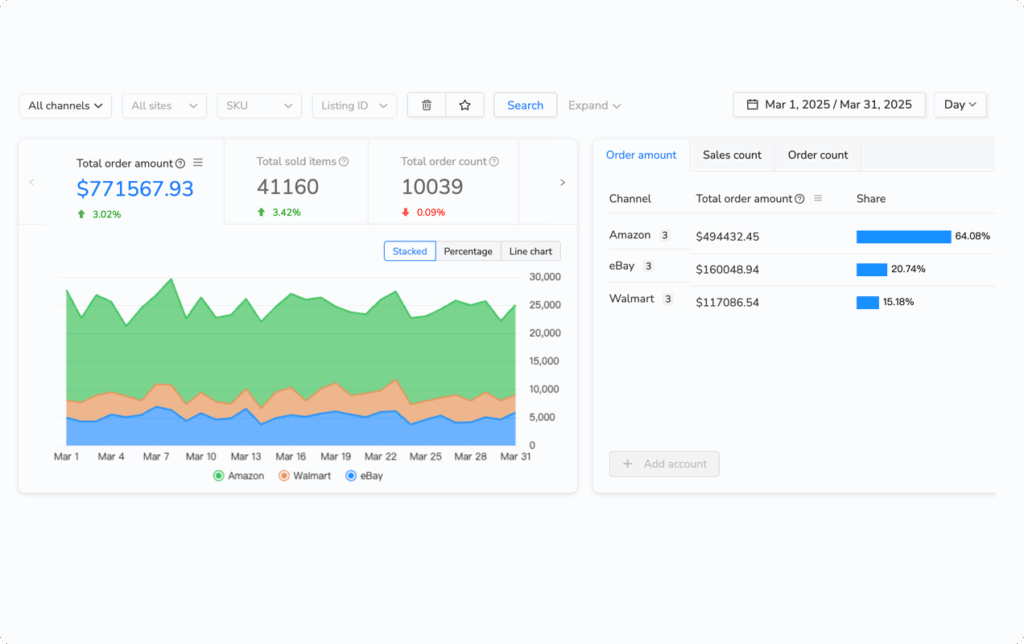
The journey to eBay selling success begins with understanding your true profit margins and implementing strategies that optimize every aspect of your business operations. Throughout this comprehensive guide, we’ve explored the critical importance of accurate profit calculation, examined the sophisticated tools available to modern sellers, and outlined proven strategies for maximizing profitability in today’s competitive marketplace.
The evidence is clear: sellers who invest in sophisticated profit analysis tools and implement data-driven optimization strategies consistently outperform those who rely on basic calculations and intuitive decision-making. The 23% average profit improvement experienced by sellers using advanced calculation tools represents not just better numbers, but the foundation for sustainable business growth and long-term success.
Maxmerce’s comprehensive profit analyzer stands out as the most advanced solution available to eBay sellers, offering real-time data integration, sophisticated cost attribution, and predictive analytics capabilities that go far beyond traditional fee calculators. The platform’s integrated approach ensures that profit optimization becomes central to all business decisions, from pricing strategies to inventory management to customer service investments.
The competitive advantages provided by accurate profit calculation extend beyond immediate financial benefits. Sellers who understand their true costs and margins make more confident pricing decisions, invest more strategically in growth opportunities, and build more sustainable business models that can weather market changes and competitive pressures.
As the eBay marketplace continues to evolve with new fee structures, policy changes, and competitive dynamics, the importance of sophisticated profit analysis will only increase. Sellers who establish strong analytical foundations today will be better positioned to adapt to future changes and capitalize on emerging opportunities.
Take Action Today: Transform your eBay business with Maxmerce’s advanced profit calculator and comprehensive seller tools. Start your free 14-day trial and discover how accurate profit analysis can revolutionize your selling strategy. Visit Maxmerce.com to begin your journey toward optimized profitability and sustainable business growth.
Don’t let inaccurate profit calculations limit your eBay success. Join thousands of sellers who have already discovered the power of sophisticated profit analysis and are building more profitable, sustainable businesses as a result.
