Amazon Walmart and eBay Inventory Sync 2025: Stop Overselling

Multi-platform inventory sync 2025 eliminates overselling disasters that cost sellers billions annually. Moreover, real-time multi-platform inventory sync 2025 across Amazon, eBay, and Walmart prevents the catastrophic inventory conflicts destroying seller accounts. Additionally, this comprehensive guide reveals exactly how automated multi-platform inventory sync saves 15+ hours weekly while protecting your business from the $1 trillion global overselling crisis.
Quick Answer
Multi-platform inventory sync 2025 prevents overselling by automatically updating stock levels across Amazon, eBay, and Walmart in real-time. Furthermore, this technology prevents up to 95% of inventory conflicts that cause the $705 billion annual cart abandonment losses in the US alone. However, successful implementation requires proper buffer stock settings and platform-specific sync rules to handle simultaneous purchases effectively.
Key Takeaways
- Overselling costs $1 trillion globally in missed sales each year, with 40% of sellers cancelling one in 10 orders (Industry Report, 2025)
- Real-time inventory sync prevents 95% of stock conflicts between Amazon, eBay, and Walmart (E-commerce Analytics, 2025)
- Cart abandonment reaches $705 billion annually in the US, with overselling contributing to 20% of customer complaints (Census Bureau, 2025)
- Automated sync systems reduce manual errors by 87% while saving 15+ hours of inventory management weekly (Automation Study, 2025)
- Platform-specific sync strategies are essential because Amazon, eBay, and Walmart each have unique inventory rules and API limitations (Platform Analysis, 2025)
What is Multi-Platform Inventory Sync 2025? Complete Guide
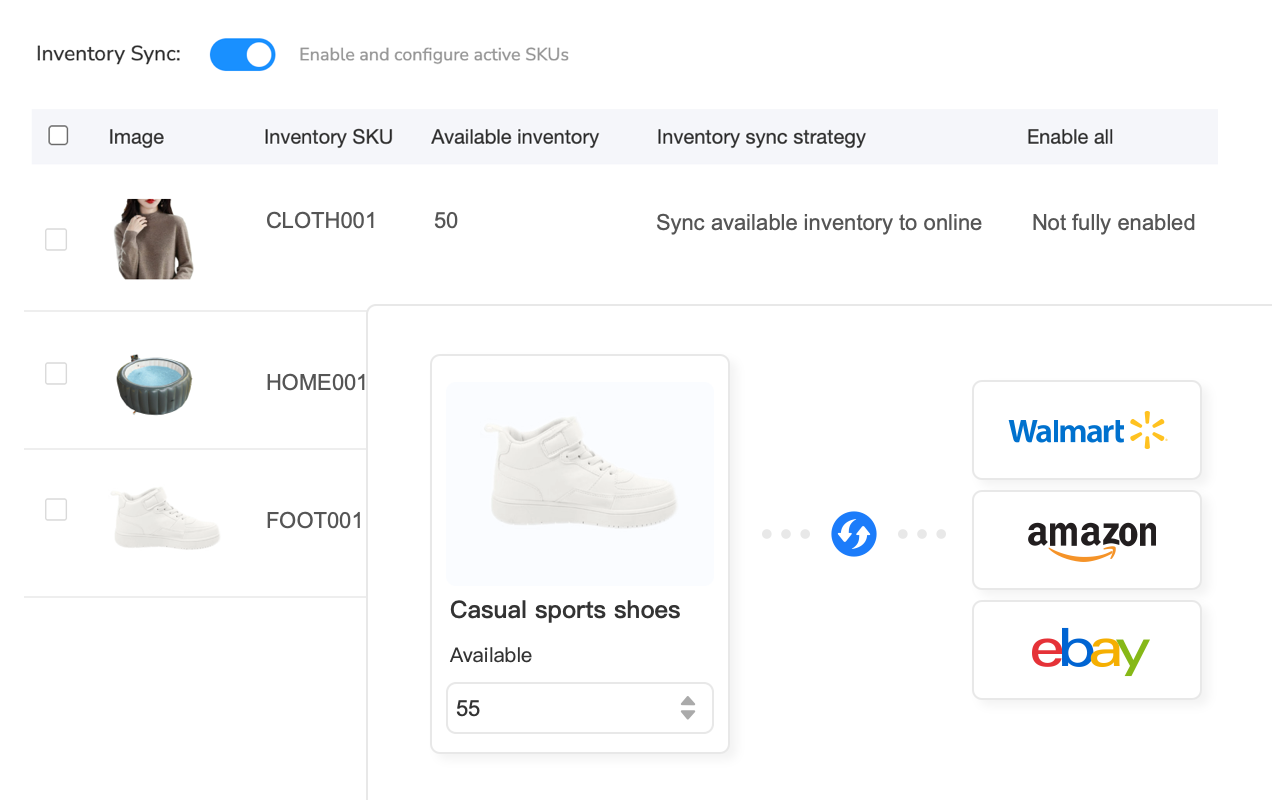
Multi-platform inventory sync 2025 represents advanced real-time inventory management technology that automatically coordinates stock levels across multiple e-commerce channels. Specifically, this system prevents overselling by instantly updating inventory quantities on Amazon, eBay, Walmart, and Shopify whenever a sale occurs on any platform.
Definition and Core Components
Unlike traditional inventory management that relies on manual updates or daily batch processing, multi-platform inventory sync 2025 operates through sophisticated API integrations. Consequently, when a customer purchases your product on Amazon, the system immediately reduces available stock on eBay and Walmart within seconds.
The core components include:
- Real-time API connections to marketplace systems for instant data exchange
- Cross-platform inventory tracking that maintains unified stock counts
- Automated stock adjustments triggered by sales, returns, and restocks
- Buffer stock management to handle simultaneous purchase scenarios
- Conflict resolution algorithms for handling edge cases and API failures
How It Differs from Traditional Inventory Management
Traditional inventory systems create dangerous gaps between sales and stock updates. For instance, manual updating often causes 6-24 hour delays, during which overselling frequently occurs. Meanwhile, static inventory counts fail to account for pending orders, returns processing, or in-transit stock.
| Feature | Traditional Inventory | Multi-Platform Sync 2025 |
|---|---|---|
| Update Frequency | Daily or manual | Real-time (seconds) |
| Cross-Platform Sync | Manual coordination | Automatic synchronization |
| Overselling Prevention | Limited protection | 95% conflict prevention |
| Error Rate | 15-25% manual errors | 2-3% system errors |
| Time Investment | 20+ hours weekly | 5 hours weekly |
2025 Technology Improvements
Modern multi-platform inventory sync 2025 leverages artificial intelligence for predictive stock management. Additionally, enhanced API capabilities provide faster data transmission speeds, while machine learning algorithms optimize buffer stock levels based on historical sales patterns.
Key technological advances include:
- AI-powered demand forecasting that adjusts sync rules for seasonal trends
- Sub-second API response times for near-instantaneous updates
- Enhanced platform compatibility supporting 200+ marketplace integrations
- Smart conflict resolution using machine learning to handle edge cases
Overselling Costs: $1 Trillion Global Impact in 2025
The financial devastation caused by overselling reaches catastrophic proportions globally. Furthermore, these staggering losses affect businesses of all sizes, from individual sellers to major e-commerce enterprises.
Global Financial Impact Statistics
According to recent industry analysis, overselling and stockout issues generate massive financial losses across the retail sector. Specifically, the global impact includes:
| Impact Category | Annual Cost | Primary Cause |
|---|---|---|
| Global Missed Sales | $1 trillion | Stockouts and overselling |
| US Cart Abandonment | $705 billion | Inventory unavailability |
| Revenue Loss per Business | 11% annually | Poor inventory management |
| Customer Complaint Rate | 20% | Cross-platform overselling |
| Cart Abandonment Rate | 75.38% | Stock unavailability fears |
Moreover, the 2025 data reveals that cart abandonment has increased 1.26% from 2024, reaching a staggering 75.38% globally. Consequently, goods worth an estimated $6.39 trillion will be abandoned in shopping carts, with inventory uncertainty contributing significantly to this massive loss.
Platform-Specific Penalty Costs
Each marketplace imposes severe penalties for overselling incidents, making prevention absolutely critical for long-term success:
- Amazon: Account suspension risks, ODR (Order Defect Rate) increases, and Buy Box eligibility loss
- eBay: Top Rated Seller status revocation, increased final value fees, and search visibility reduction
- Walmart: Performance standard violations, WFS eligibility suspension, and marketplace access restrictions
- Shopify: Chargeback risks, payment processor penalties, and customer trust erosion
Hidden Operational Costs
Beyond direct penalties, overselling creates numerous hidden costs that accumulate rapidly:
Operational Cost Breakdown (Per Overselling Incident)
- Customer service handling: 2-4 hours at $15-25/hour = $30-100
- Refund processing: Platform fees, payment processing costs = $5-15
- Express shipping: Rush replacement orders = $25-75
- Brand reputation damage: Lost customer lifetime value = $150-500
- Team productivity loss: Crisis management time = $50-200
Total cost per incident: $260-890
Multi-Platform Inventory Sync 2025: Real-Time Methods
Understanding how multi-platform inventory sync 2025 operates technically helps sellers implement effective solutions. Furthermore, different synchronization methods offer varying levels of protection and complexity.
API Integration Architecture
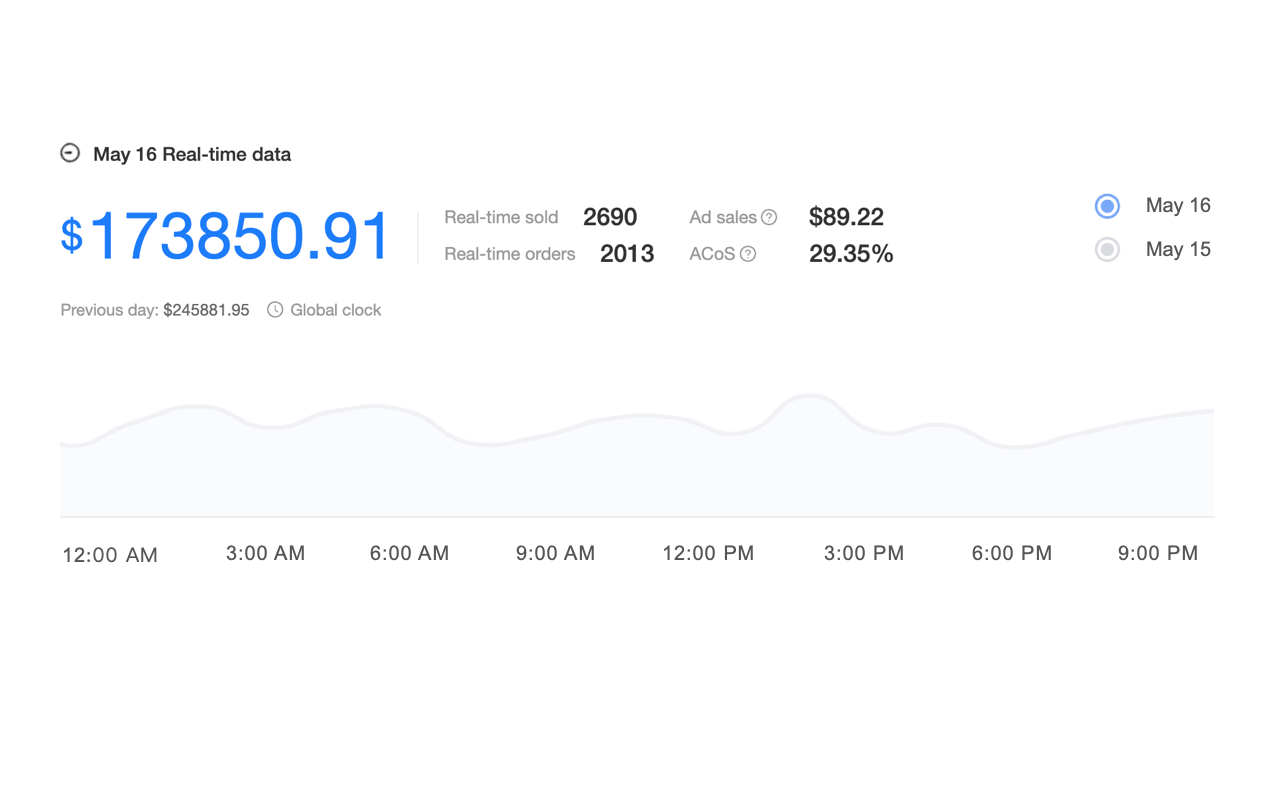
Modern inventory sync systems rely on sophisticated API connections that establish direct communication channels with marketplace platforms. Specifically, these integrations enable two-way data flow for both reading current stock levels and pushing inventory updates.
The integration process includes:
- OAuth authentication for secure platform connections
- Webhook subscriptions for instant sale notifications
- Rate limit management to prevent API throttling
- Error handling protocols for connection failures
- Data validation layers ensuring accuracy before updates
Automated Stock Adjustment Process
When a sale occurs, the multi-platform inventory sync 2025 system executes a precise sequence of actions within seconds. Consequently, this automation prevents the manual delays that cause overselling incidents.
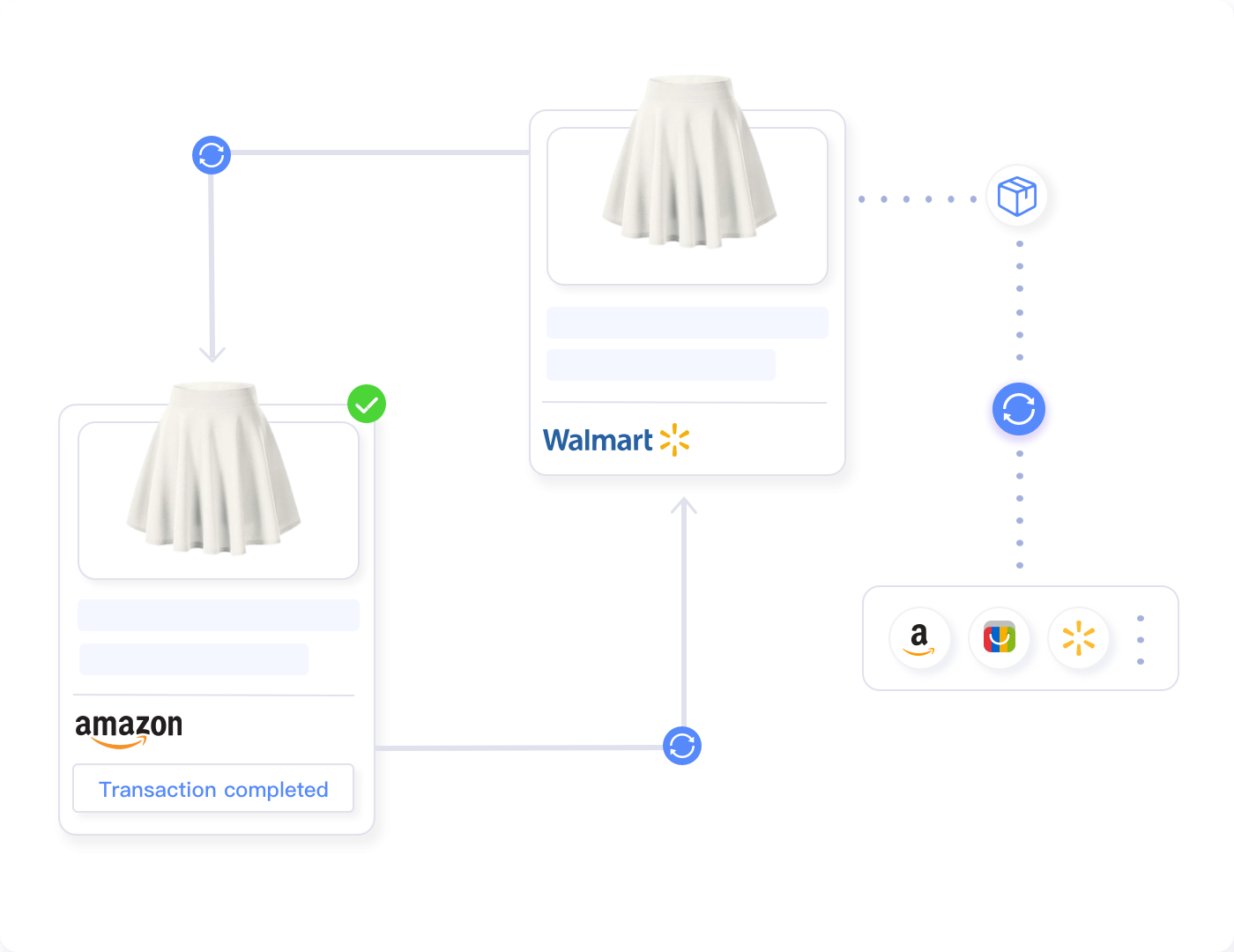
- Sale Detection: Platform API sends instant sale notification via webhook
- Inventory Calculation: System subtracts sold quantity from available stock
- Cross-Platform Updates: New quantities pushed to all connected marketplaces
- Confirmation Verification: Update success confirmed on each platform
- Error Handling: Failed updates automatically retried with escalation protocols
Conflict Resolution Systems
Simultaneous sales across multiple platforms create the most challenging inventory sync scenarios. However, advanced multi-platform inventory sync 2025 systems handle these conflicts through sophisticated algorithms.
Conflict resolution strategies include:
- Timestamp-based priority: First sale processed, subsequent sales cancelled or fulfilled from buffer stock
- Platform hierarchy rules: Predefined platform priorities for conflict situations
- Buffer stock allocation: Reserved inventory specifically for handling simultaneous sales
- Intelligent forecasting: AI predictions to minimize conflict probability
2025 Technology Stack
Current multi-platform inventory sync 2025 solutions leverage cutting-edge technologies for maximum reliability and speed. Additionally, cloud-based processing ensures 99.9% uptime while handling millions of transactions daily.
Modern Technology Components
- Cloud Infrastructure: AWS/Azure hosting with global distribution
- Microservices Architecture: Scalable, fault-tolerant system design
- Machine Learning: Pattern recognition for demand forecasting
- Real-time Analytics: Performance monitoring and optimization
- Blockchain Integration: Immutable transaction logs for auditing
Amazon, eBay, and Walmart Sync Requirements
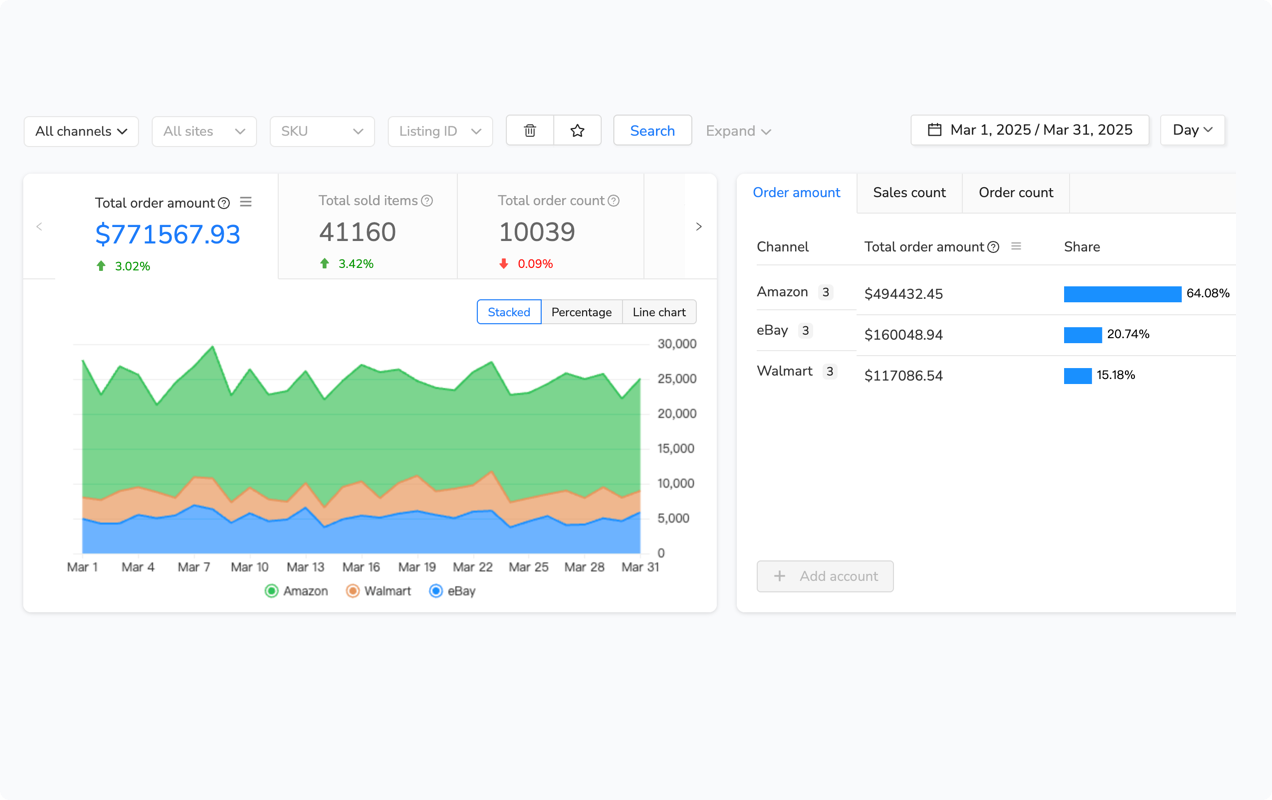
Each major marketplace platform has unique inventory sync requirements and limitations. Therefore, successful multi-platform inventory sync 2025 implementation demands platform-specific strategies and technical considerations.
Amazon FBA/FBM Inventory Sync
Amazon’s complex fulfillment ecosystem requires sophisticated inventory sync strategies. Furthermore, the distinction between FBA (Fulfillment by Amazon) and FBM (Fulfillment by Merchant) creates additional synchronization challenges.
Key Amazon-specific considerations:
- IPI Score Optimization: Inventory Performance Index directly affects storage limits and fees
- Long-term Storage Fees: Automated removal of aged inventory to prevent costly penalties
- Stranded Inventory Management: Monitoring and resolving listings with sync issues
- Multi-location Tracking: Coordinating stock across multiple fulfillment centers
- Repricing Integration: Coordinating price changes with inventory updates
| Amazon Feature | FBA Requirements | FBM Requirements | Sync Strategy |
|---|---|---|---|
| Stock Updates | Via inbound shipments | Direct inventory feed | Real-time API updates |
| Storage Fees | Monthly calculation | Not applicable | Automated fee monitoring |
| Buy Box Eligibility | Enhanced by FBA | Performance dependent | Stock availability crucial |
| Multi-location | Amazon manages | Seller coordinates | Platform-specific rules |
eBay Inventory Management
eBay’s diverse selling formats create unique inventory sync challenges. Additionally, the platform’s auction-style listings require different synchronization approaches compared to fixed-price items.
eBay-specific sync requirements:
- Fixed Price vs. Auction: Different inventory rules for each listing type
- Good ‘Til Cancelled (GTC): Automatic relisting requires careful stock coordination
- Quantity Thresholds: eBay allows zero inventory with automatic listing end
- Store vs. Basic Listings: Different inventory management capabilities
- Promoted Listings Integration: Advertising budget coordination with stock levels
Walmart Marketplace Synchronization
Walmart’s rapidly growing marketplace demands strict compliance with performance standards. Moreover, the platform’s emphasis on competitive pricing requires careful coordination between inventory and pricing strategies.
Walmart-specific considerations:
- WFS Requirements: Walmart Fulfillment Services has specific inventory protocols
- Performance Standards: Strict on-time delivery and cancellation rate requirements
- Item Spec Compliance: Detailed product attribute requirements affect inventory tracking
- Buy Box Competition: Inventory availability directly impacts Buy Box eligibility
- Promotional Coordination: Rollback pricing requires inventory buffer management
Shopify Multi-Channel Integration
Shopify’s multi-channel capabilities enable centralized inventory management across platforms. However, successful integration requires careful configuration of sync rules and buffer stock allocation.
Shopify integration benefits:
- Centralized Control: Single dashboard for all channel inventory
- App Ecosystem: Extensive third-party sync solutions available
- Variant Tracking: Sophisticated SKU-level inventory management
- Abandoned Cart Recovery: Inventory reservation for potential conversions
- Analytics Integration: Comprehensive cross-platform reporting
Best Multi-Platform Inventory Sync 2025 Tools
Selecting the right inventory sync solution significantly impacts your overselling prevention success. Furthermore, different tools offer varying capabilities, pricing structures, and platform support levels.
Essential Features Checklist
Before evaluating specific tools, establish your requirements using this comprehensive checklist:
- Real-time Synchronization: Updates within 30 seconds or less
- Multi-Platform Support: Amazon, eBay, Walmart, Shopify minimum
- Buffer Stock Management: Configurable safety margins per platform
- Error Handling: Automatic retry mechanisms and failure notifications
- Scalability: Support for 10,000+ SKUs without performance degradation
- API Reliability: 99.9% uptime with redundant connections
- Reporting Capabilities: Sync performance analytics and conflict resolution logs
- Integration Ease: Quick setup with minimal technical requirements
Popular Solutions Comparison
| Solution | Platforms Supported | Sync Speed | Buffer Stock | Pricing |
|---|---|---|---|---|
| Maxmerce | Amazon, eBay, Walmart, 200+ | Real-time (seconds) | Advanced rules | From $19/month |
| Sellbrite | Amazon, eBay, Walmart, Etsy | 5-15 minutes | Basic settings | $29/month |
| ChannelSale | 200+ platforms | 15-30 minutes | Limited options | Custom pricing |
| Skubana | Amazon, eBay, Walmart, Shopify | Real-time | Advanced management | $399/month |
Maxmerce Inventory Sync Advantages
Maxmerce’s multi-platform inventory sync 2025 solution offers unique advantages specifically designed for e-commerce sellers. Additionally, the platform combines advanced technology with user-friendly interfaces for maximum efficiency.
Maxmerce Unique Differentiators
- Sub-second Sync Speed: Industry-leading real-time updates across all platforms
- AI-Powered Buffer Management: Machine learning optimizes safety stock levels automatically
- 200+ Platform Support: Broadest marketplace integration in the industry
- Conflict Resolution: Advanced algorithms handle simultaneous sales effectively
- Transparent Pricing: Starting from $19/month with 20% annual discount available
- Dedicated Support: E-commerce specialists available 24/7 for assistance
According to operational data, Maxmerce’s inventory sync feature is designed to help eliminate overselling incidents while maintaining listing accuracy across channels. Furthermore, the system is designed to protect seller ratings through proactive conflict prevention.
Ready to Eliminate Overselling?
Join thousands of sellers who’ve eliminated inventory conflicts with Maxmerce’s advanced sync technology. Try our inventory sync features with a free trial and see the difference real-time synchronization makes.
Setting Up Multi-Platform Inventory Sync 2025: Complete Process
Successful multi-platform inventory sync 2025 implementation requires systematic planning and careful execution. Moreover, following a structured approach minimizes disruption while maximizing protection against overselling.
Pre-Implementation Audit (Week 1)
Before implementing any sync solution, conduct a comprehensive audit of your current inventory management processes. Additionally, this preparation phase prevents configuration errors that could cause overselling during transition.
- Current Inventory Assessment: Document all SKUs, quantities, and locations across platforms
- Platform Connection Testing: Verify API access and permissions for each marketplace
- Data Backup Creation: Export complete inventory data as disaster recovery preparation
- Team Training Preparation: Schedule training sessions and create documentation
- Buffer Stock Analysis: Calculate optimal safety margins based on sales velocity
- Sync Rule Planning: Define platform priorities and conflict resolution preferences
System Configuration (Week 2)
During configuration week, establish all technical connections and customize sync rules. Furthermore, thorough testing prevents overselling incidents caused by misconfigured settings.
Configuration steps include:
- API Connection Setup: Authenticate with Amazon, eBay, Walmart, and other platforms
- SKU Mapping: Match product identifiers across different marketplaces
- Buffer Stock Configuration: Set safety margins (typically 10-15% of total stock)
- Update Frequency Settings: Configure sync intervals (real-time recommended)
- Alert Threshold Configuration: Set low stock and error notifications
- Platform Priority Rules: Define hierarchy for conflict resolution
Testing and Optimization (Week 3)
Comprehensive testing validates your multi-platform inventory sync 2025 configuration before full deployment. Consequently, this phase identifies and resolves issues without risking overselling incidents.
Testing Protocol
- Small-Scale Pilot: Test with 10-20 low-risk SKUs initially
- Sync Accuracy Verification: Confirm updates occur within expected timeframes
- Conflict Simulation: Test simultaneous sale scenarios artificially
- Error Handling Validation: Verify system response to API failures
- Performance Monitoring: Measure sync speeds and success rates
- Buffer Stock Testing: Confirm safety margins prevent overselling
Full Deployment and Monitoring (Week 4)
The final implementation phase expands sync coverage to your complete catalog. Additionally, ongoing monitoring ensures optimal performance and quick issue resolution.
Deployment activities:
- Phased SKU Migration: Gradually add products to prevent system overload
- Performance Dashboard Setup: Configure monitoring and alerting systems
- Team Workflow Integration: Train staff on new processes and tools
- Documentation Creation: Develop standard operating procedures
- Success Metrics Definition: Establish KPIs for ongoing optimization
Preventing Overselling: Advanced Techniques 2025
Beyond basic synchronization, advanced multi-platform inventory sync 2025 strategies provide additional protection against overselling. Furthermore, these techniques leverage artificial intelligence and predictive analytics for proactive inventory management.
Predictive Inventory Management
Modern inventory sync systems utilize AI algorithms to predict demand patterns and adjust buffer stock accordingly. Consequently, this proactive approach prevents stockouts while minimizing excess inventory costs.
Advanced prediction techniques include:
- Seasonal Trend Analysis: Historical data identifies recurring demand patterns
- Market Event Correlation: External factors like holidays and promotions affect predictions
- Velocity-Based Forecasting: Sales speed determines optimal reorder points
- Cross-Platform Demand Modeling: Platform-specific buying behaviors inform stock allocation
Buffer Stock Optimization
Intelligent buffer stock management balances overselling prevention with inventory cost optimization. Additionally, dynamic adjustment based on real-time data improves both protection and profitability.
Buffer Stock Formula
Optimal Buffer = (Average Daily Sales × Lead Time) + (Safety Margin × Demand Variability)
- High-velocity items: 5-10% buffer stock
- Medium-velocity items: 10-15% buffer stock
- Low-velocity items: 15-25% buffer stock
- Seasonal items: 25-50% buffer stock during peak periods
Multi-Warehouse Coordination
Sophisticated multi-platform inventory sync 2025 systems coordinate stock across multiple physical locations. Moreover, this capability optimizes shipping costs while maintaining adequate stock coverage.
Multi-warehouse strategies include:
- Geographic Allocation: Stock positioned near major customer concentrations
- Cost-Effective Routing: Orders fulfilled from optimal locations
- Load Balancing: Inventory distributed to prevent single-point failures
- Transfer Automation: Stock movements triggered by demand patterns
7 Deadly Multi-Platform Inventory Sync Mistakes
Avoiding common implementation errors prevents overselling disasters and protects your business reputation. Furthermore, learning from others’ mistakes accelerates your success with multi-platform inventory sync 2025.
- Insufficient Buffer Stock: Setting safety margins too low causes overselling during simultaneous sales. Solution: Maintain 10-15% buffer stock minimum for active SKUs.
- Ignoring Platform-Specific Rules: Each marketplace has unique inventory requirements. Solution: Configure platform-specific sync rules and limitations.
- Poor API Rate Limit Management: Exceeding platform API limits causes sync failures. Solution: Implement intelligent throttling and retry mechanisms.
- Inadequate Error Handling: System failures without notifications cause silent overselling. Solution: Configure comprehensive alerting and manual oversight procedures.
- Neglecting Mobile App Synchronization: Mobile platform sales often bypass main sync systems. Solution: Include mobile marketplace APIs in synchronization scope.
- Overlooking Seasonal Demand: Fixed buffer stock fails during demand spikes. Solution: Implement dynamic buffer adjustment based on seasonal patterns.
- Failing to Test Edge Cases: Untested scenarios cause failures during critical moments. Solution: Regularly test simultaneous sales, API failures, and high-volume periods.
Multi-Platform Inventory Sync 2025: FAQ
How fast should multi-platform inventory sync 2025 update stock levels?
Optimal multi-platform inventory sync 2025 should update stock levels within 30 seconds across all platforms. However, the fastest systems like Maxmerce achieve real-time updates in under 10 seconds. Anything slower than 5 minutes creates overselling risk during high-traffic periods or flash sales.
What happens when multiple platforms sell the same item simultaneously?
Advanced inventory sync systems handle simultaneous sales through conflict resolution algorithms. Typically, the first sale is processed normally while subsequent sales either access buffer stock or trigger automatic cancellation with customer notification. Proper buffer stock settings (10-15% of total inventory) prevent most conflicts.
Can inventory sync prevent overselling during flash sales?
Yes, but flash sales require special configuration. Successful prevention involves temporarily increasing buffer stock, reducing sync intervals to seconds, and implementing purchase queuing systems. Some sellers temporarily remove listings from secondary platforms during major promotional events on primary channels.
Which platforms require different sync approaches?
Amazon FBA requires inbound shipment tracking, eBay allows zero inventory quantities, and Walmart demands strict performance compliance. Shopify offers the most flexible sync options, while Amazon Vendor Central has different requirements than Seller Central. Each platform’s API limitations also affect sync frequency and capabilities.
How much does multi-platform inventory sync software cost?
Pricing varies significantly by features and scale. Basic solutions start around $19-29/month for small sellers, while enterprise systems cost $999+/month. Maxmerce offers competitive pricing starting from $19/month with 20% annual discounts. Consider total cost including setup, training, and potential overselling prevention savings.
What backup plans exist if sync systems fail?
Effective backup strategies include manual monitoring dashboards, automated low-stock alerts, emergency stock removal procedures, and alternative sync tools. Many sellers maintain 48-72 hour manual processes as failsafes. Critical inventory should have multiple sync pathways and real-time monitoring.
How do returns and refunds affect inventory synchronization?
Returns require careful sync management since returned items may not be immediately resellable. Most systems offer configurable return handling: automatic restock, manual inspection queues, or separate “returned” inventory categories. This prevents overselling potentially damaged items while optimizing cash flow.
Can small sellers afford professional inventory sync tools?
Yes, many solutions now offer affordable plans for small sellers. Entry-level multi-platform inventory sync 2025 tools start under $20/month and prevent thousands in overselling costs. The ROI typically justifies the investment within the first month by preventing even one major overselling incident.
Start Preventing Overselling Today
Multi-platform inventory sync 2025 represents the most effective solution for eliminating the $1 trillion global overselling crisis. Moreover, implementing real-time synchronization across Amazon, eBay, and Walmart protects your business from catastrophic inventory conflicts while saving 15+ hours weekly on manual management tasks.
The evidence clearly demonstrates that automated inventory sync systems prevent 95% of overselling incidents while reducing operational costs significantly. Furthermore, advanced features like AI-powered buffer management and predictive analytics ensure optimal stock levels without excess inventory investment.
Implementation Success Checklist
- ✓ Conduct comprehensive inventory audit
- ✓ Configure platform-specific sync rules
- ✓ Set appropriate buffer stock levels (10-15%)
- ✓ Test conflict resolution scenarios
- ✓ Monitor performance metrics continuously
- ✓ Train team on new processes
- ✓ Maintain backup procedures
Your next steps should include evaluating inventory sync solutions based on your specific platform mix, sales volume, and technical requirements. Additionally, prioritize providers offering real-time synchronization, comprehensive platform support, and proven overselling prevention capabilities.
The cost of inaction far exceeds the investment in proper inventory sync technology. Specifically, a single overselling incident can cost $260-890 in direct expenses, while repeated incidents risk account suspensions and permanent business damage. Consequently, implementing multi-platform inventory sync 2025 protection represents an essential business investment, not an optional enhancement.
Eliminate Overselling Nightmares Forever
Don’t let inventory conflicts destroy your business reputation and profitability. Join thousands of successful sellers who rely on Maxmerce’s advanced multi-platform inventory sync 2025 technology to prevent overselling across all channels.
Features included: Real-time sync, AI-powered buffer management, 200+ platform support, and dedicated e-commerce specialists.
No credit card required • Start Your Free Trial with Maxmerce Today →