Amazon Reimbursement Claims: Maximize Recovery After Policy Changes

Amazon changed its FBA reimbursement policy in March 2025, shifting from estimated sale price to manufacturing cost-only calculations. This policy change can reduce reimbursement amounts by 40-60% for many sellers, making systematic claim tracking and rapid submission more critical than ever for protecting profit margins.
Despite reduced reimbursement rates, FBA sellers can still recover between $500 to $5,000 monthly through diligent claim management. Understanding which issues qualify for reimbursement, implementing proactive inventory tracking, and submitting claims with complete documentation maximizes recovery under Amazon’s new policy framework.
Key Takeaways
- Amazon switched to manufacturing cost reimbursement in March 2025, significantly reducing recovery amounts (Amazon FBA Policy Update, March 2025)
- Sellers can recover $500-$5,000 monthly through systematic claim management depending on FBA volume
- 18-month claim window for lost or damaged inventory requires proactive tracking (Amazon Seller Central, Updated 2025)
- Automated inventory tracking is designed to help identify reimbursable discrepancies faster than manual review
- Complete documentation can help speed up claim approval and increase reimbursement success rates
Understanding Amazon’s March 2025 Reimbursement Policy Change
Amazon’s reimbursement policy shift represents the most significant change to FBA seller economics since the introduction of long-term storage fees. The policy affects how Amazon calculates compensation for lost, damaged, or destroyed inventory in fulfillment centers.
Previous vs. Current Reimbursement Calculation
Before March 2025: Amazon reimbursed sellers based on estimated sale price, calculated from your listing price or recent selling history. If a $50 retail product was lost in the warehouse, Amazon would reimburse approximately $50 minus fulfillment fees, typically recovering 70-80% of the retail value.
After March 2025: Amazon now reimburses based on your reported manufacturing cost or wholesale cost per unit. For the same $50 retail product with a $20 manufacturing cost, Amazon reimburses only $20, representing a 60% reduction in recovery amount.
| Scenario | Retail Price | Manufacturing Cost | Old Policy Reimbursement | New Policy Reimbursement | Recovery Reduction |
|---|---|---|---|---|---|
| Low-margin product | $30 | $18 | $21 | $18 | -14% |
| Medium-margin product | $50 | $20 | $35 | $20 | -43% |
| High-margin product | $100 | $25 | $70 | $25 | -64% |
| Private label product | $75 | $15 | $52 | $15 | -71% |
Impact on Different Business Models
The policy change affects sellers differently based on their business model and product margins:
Private Label Sellers: Face the largest reimbursement reduction due to high margins between manufacturing cost and retail price. A private label product with 70-80% margin now receives only 20-30% of its retail value in reimbursements.
Wholesale/Retail Arbitrage: Experience moderate impact due to lower margins. Products purchased at 40-60% of retail price still recover a reasonable portion of invested capital.
Low-Margin Resellers: See the smallest percentage impact but face tighter cash flow constraints. Any lost inventory directly affects already thin profit margins.
Critical Change: Amazon now requires sellers to accurately report manufacturing or wholesale costs in Seller Central. Inflated cost reporting violates Amazon’s policies and can result in account suspension. Report actual documented costs from invoices and purchase orders.
Reimbursable FBA Issues and Claim Types
Understanding which FBA issues qualify for reimbursement enables systematic claim identification and submission. Amazon reimburses for six primary categories of fulfillment errors and inventory losses.
Lost Inventory in Fulfillment Centers
The most common reimbursement scenario occurs when Amazon loses track of your inventory within their fulfillment network. Units arrive at the warehouse, get checked in, but subsequently disappear from inventory records without being sold, damaged, or removed.
Detection Method: Compare your inbound shipment records against Amazon’s received quantities and current inventory levels. Discrepancies indicate potential lost units. Automated inventory tracking tools continuously monitor these discrepancies, flagging eligible claims.
Claim Timeline: Amazon requires claims for lost inventory within 18 months of the shipment being marked “Closed” in Seller Central. Late submissions are automatically denied.
Documentation Required: Provide shipment ID, original box contents, carrier tracking showing delivery to Amazon, and proof of discrepancy between sent and received quantities.
Warehouse Damaged Inventory
Amazon warehouses handle millions of units daily, and operational damage occurs despite careful handling procedures. Products damaged while in Amazon’s custody qualify for reimbursement at manufacturing cost.
Qualifying Damage: Physical damage rendering products unsellable, packaging damage preventing retail sale, or Amazon marking units as “damaged” or “defective” in inventory reports. Damage must occur after Amazon receives the shipment and before customer delivery.
Automatic vs. Manual Claims: Amazon automatically issues reimbursements for some warehouse damage when their systems detect the issue. However, many damaged units slip through automated detection, requiring manual claim submission.
Evidence Requirements: Amazon’s own inventory reports showing units marked “damaged” or “defective,” timeline proving damage occurred during Amazon’s custody, and documentation of your manufacturing cost.
Customer Return Discrepancies
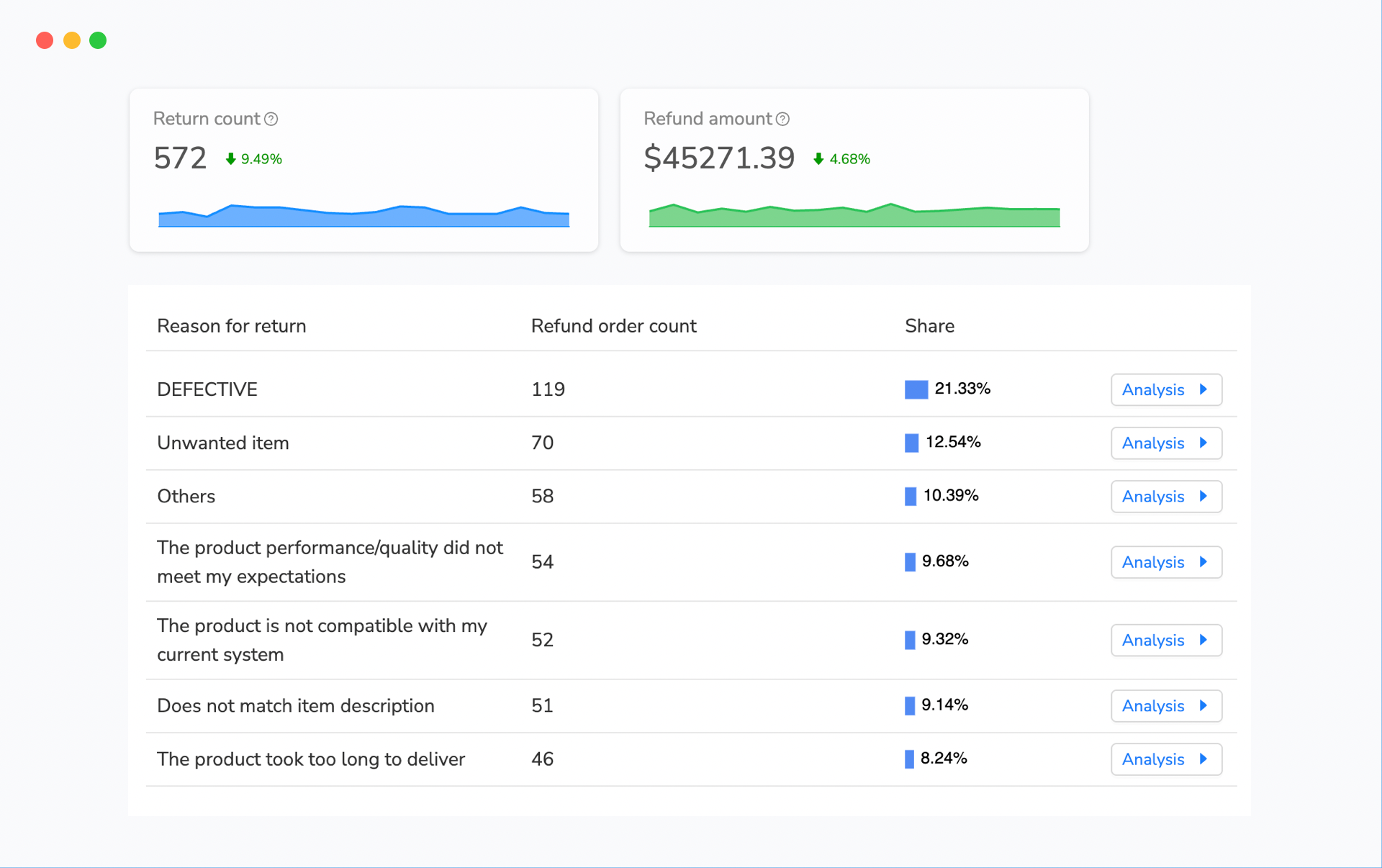
Customer returns create numerous reimbursement scenarios when Amazon improperly processes returned merchandise. Common issues include customers returning different items than purchased, damaged returns credited to inventory as sellable, or returns never reaching the warehouse but reducing inventory counts.
Wrong Item Returns: Customer purchases your product but returns something completely different. Amazon processes the return, refunds the customer, but you lose both the original product and sale revenue. These cases qualify for reimbursement.
Damaged Return Misclassification: Customers return damaged products, but Amazon adds them back to sellable inventory instead of marking them “customer damaged.” When these units eventually get identified and removed, you can claim reimbursement for the discrepancy.
Lost Returns in Transit: Amazon authorizes a customer return, but the product never arrives at the fulfillment center. Amazon still deducts the unit from your inventory, creating a reimbursable loss.
Removal Order Errors
When you create removal orders to retrieve inventory from FBA, Amazon sometimes loses products during the removal process or delivers incorrect quantities. The difference between requested removal quantity and actual received quantity qualifies for reimbursement.
Tracking Removal Discrepancies: Compare removal order requests against products actually received. Maintain detailed logs of removal shipments, noting discrepancies immediately upon delivery inspection.
Multi-Channel Fulfillment Issues: Orders fulfilled by Amazon for sales outside Amazon (through Multi-Channel Fulfillment) sometimes experience delivery failures or incorrect shipments. These issues create reimbursable claims under specific circumstances.
Inbound Shipment Problems
Issues occurring during inbound shipment creation and delivery generate reimbursement claims when Amazon fails to properly receive inventory that carriers confirm delivered.
Carrier Confirmation vs. Amazon Receipt: When shipping carriers confirm delivery to Amazon fulfillment centers but Amazon never checks in the inventory, the discrepancy qualifies for reimbursement. Maintain carrier delivery confirmations and proof of contents for all shipments.
Partial Receipts: Amazon receives part of your shipment but marks it closed without accounting for all units. Comparing shipped quantities against received quantities reveals these discrepancies.
Destroyed Inventory Without Authorization
Amazon occasionally destroys inventory without seller authorization, particularly during warehouse reorganizations or when products are misidentified as damaged or unsellable. Unauthorized destruction qualifies for reimbursement claims.
Automatic Disposal Prevention: Review your Amazon account settings to ensure automatic disposal isn’t enabled for unfulfillable inventory. Automatic disposal prevents reimbursement claims because you authorized destruction.
Building a Systematic Claim Identification Process
Manual reimbursement claim identification becomes impractical once your FBA volume exceeds 500-1,000 units monthly. Systematic processes using data analysis and automated tracking can help ensure no reimbursable issues slip through unnoticed.
Inventory Reconciliation Methodology
Effective reimbursement claim management requires regular inventory reconciliation comparing your records against Amazon’s reporting. This process identifies discrepancies eligible for claims.
Weekly Reconciliation Workflow: Download inventory reports from Amazon Seller Central showing beginning inventory, inbound shipments, sales, returns, removals, and ending inventory. Compare these figures against your internal records to identify unexplained discrepancies.
Data Points to Monitor:
- Shipment creation records vs. received quantities in Amazon
- Beginning inventory + receipts – sales – removals = ending inventory
- Customer returns received vs. inventory adjustments
- Removal order requests vs. actual received quantities
- Unexplained inventory adjustments without corresponding transactions
⭐ Maxmerce’s Data Export for Claim Documentation
Complete documentation is critical for reimbursement claim approval. Maxmerce’s Data Export feature streamlines the documentation process by providing ready-to-use claim evidence:
- Comprehensive Inventory Reports: Export detailed shipment histories showing exactly what was sent vs. what Amazon received
- Customizable Data Fields: Select specific data points relevant to your claim type (shipment IDs, FNSKUs, quantities, dates, tracking numbers)
- Multi-Format Support: Export in Excel, CSV, or PDF formats optimized for Amazon’s claim submission requirements
- Automated Report Scheduling: Set up weekly exports to maintain ongoing claim documentation without manual work
- Historical Data Access: Access up to 18 months of inventory transaction history, covering Amazon’s entire claim window
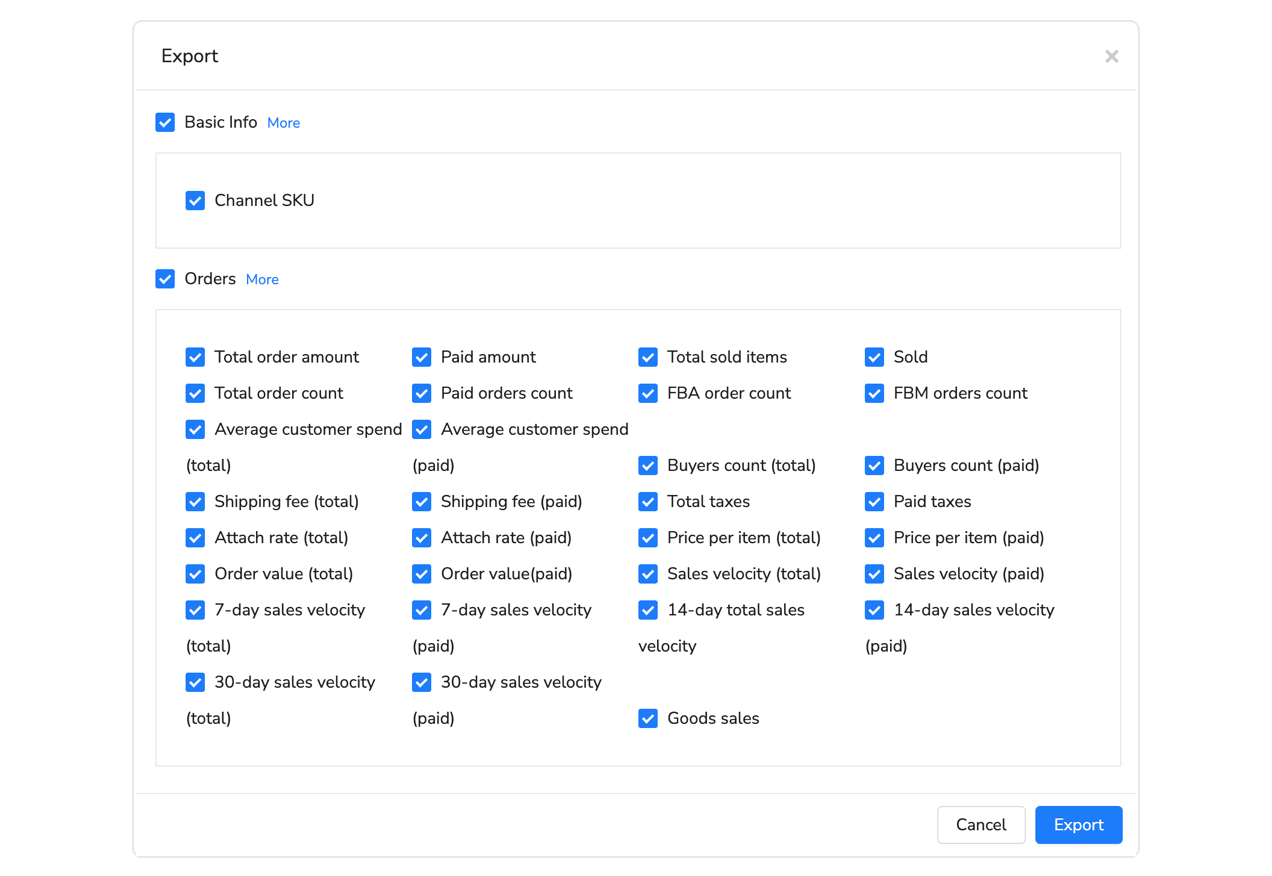
Sellers using Maxmerce’s data export capabilities can help prepare claim submissions in 5-10 minutes instead of 30-60 minutes of manual data compilation. The automated exports include all documentation Amazon requires, improving approval rates through completeness and accuracy.
Automated Discrepancy Detection
Automated inventory tracking tools continuously monitor FBA inventory levels, comparing Amazon’s data against expected values to flag potential reimbursable issues in real-time.
Algorithm-Based Detection: Advanced systems use algorithms to identify patterns indicating lost inventory, warehouse damage, or processing errors. These tools check thousands of transactions daily, identifying issues human review might miss.
Alert Systems: Real-time alerts notify sellers when discrepancies exceed certain thresholds or when claim eligibility windows approach expiration. This proactive notification is designed to help ensure timely claim submission within Amazon’s 18-month deadline.
⭐ How Maxmerce Automates Reimbursement Claim Identification
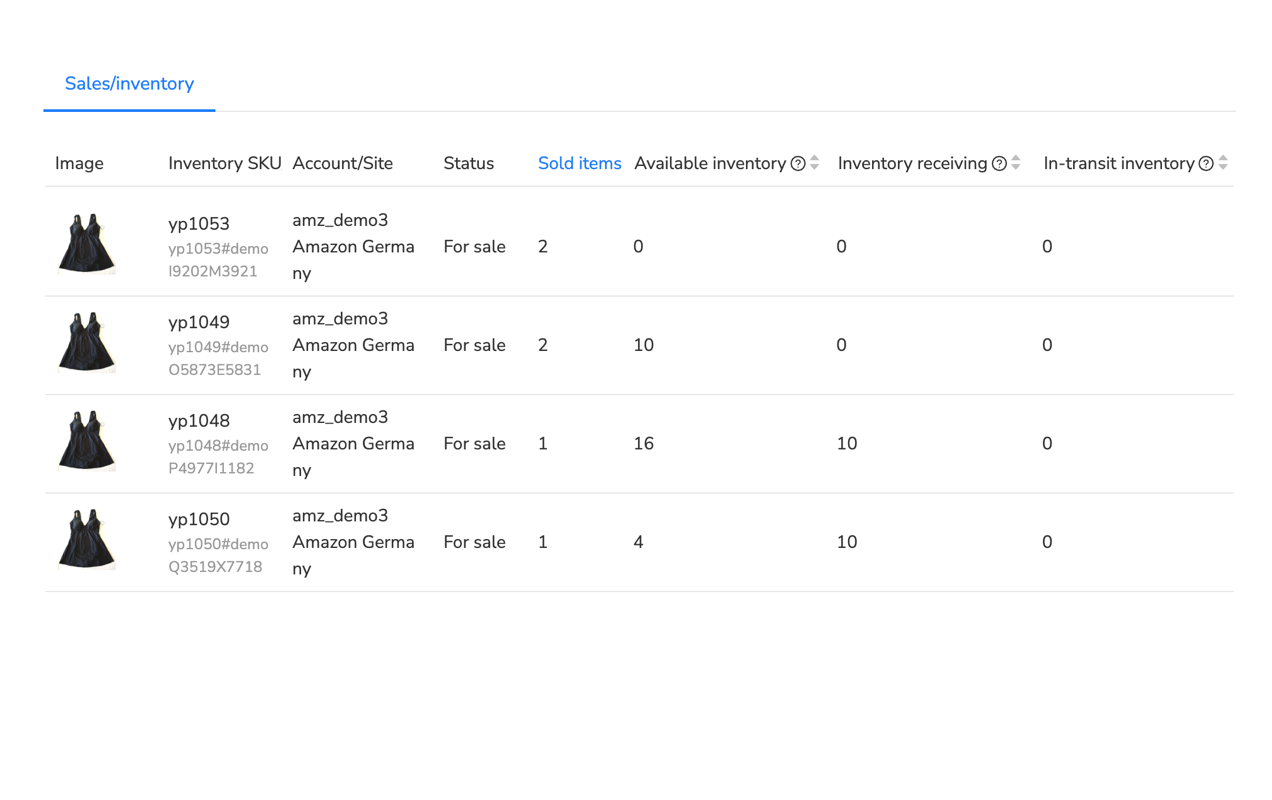
Maxmerce’s FBA/WFS Inventory Tracking provides comprehensive automated discrepancy detection designed to help maximize reimbursement recovery:
- Real-Time Inventory Monitoring: Maxmerce continuously syncs with Amazon Seller Central APIs, downloading inventory reports every hour to identify discrepancies as they occur
- Automated Reconciliation: The system automatically compares shipped quantities against received quantities, flagging mismatches that indicate lost inventory
- Warehouse Damage Tracking: Maxmerce monitors inventory status changes, alerting you when units are marked “damaged” or “defective” in Amazon’s systems
- Return Discrepancy Detection: The platform tracks customer returns and compares against inventory adjustments to identify wrong-item returns or lost returns in transit
- 18-Month Deadline Alerts: Maxmerce calculates claim eligibility windows and sends alerts 30 days before expiration, helping ensure you never miss a claim deadline
- Multi-Channel Coverage: Track reimbursable issues across both Amazon FBA and Walmart WFS from a single unified dashboard
Using Maxmerce’s automated tracking, sellers can help identify up to 40% more reimbursable issues compared to manual review. The system processes thousands of transactions daily, catching discrepancies that would take hours to find manually. Starting from $19/month, Maxmerce’s FBA tracking tools can help pay for themselves through recovered reimbursements in the first month.
Claim Prioritization Strategy
Not all reimbursable issues warrant equal attention. Strategic prioritization focuses effort on high-value claims with strong approval likelihood.
Value-Based Prioritization: Calculate potential reimbursement amount for each identified discrepancy. Focus first on claims exceeding $50-$100, where recovery justifies the submission effort under new manufacturing cost policy.
Evidence Strength Assessment: Evaluate available documentation strength before investing time in claim preparation. Claims with complete carrier tracking, shipment records, and clear discrepancies have higher approval rates.
Age Consideration: Prioritize claims approaching the 18-month deadline. Recent issues can wait while older discrepancies require immediate attention to avoid falling outside the claim window.
Maximizing Claim Approval Rates
Amazon’s claim review process evaluates documentation completeness, evidence strength, and policy compliance. Understanding approval criteria helps structure claims for maximum success rate.
Documentation Best Practices
Complete documentation dramatically improves claim approval speed and success rate. Amazon’s automated review systems fast-track claims with comprehensive evidence while flagging incomplete submissions for manual review.
Required Documents by Claim Type:
| Claim Type | Required Documentation | Additional Helpful Evidence | Maxmerce Solution |
|---|---|---|---|
| Lost Inventory | Shipment ID, box contents, tracking confirmation | Packing slips, warehouse receiving photos | FBA Inventory Tracking auto-detects discrepancies |
| Warehouse Damage | Inventory report showing damage, FNSKU | Timeline of custody, product condition photos | Damage alerts when units marked defective |
| Return Discrepancies | Order ID, return request details, inventory adjustment | Customer communication, images of wrong item | Return Analysis identifies mismatches |
| Removal Errors | Removal order ID, requested vs. received quantity | Delivery photos, box weight discrepancies | Data Export provides removal history |
| Inbound Issues | Carrier tracking, proof of delivery, box contents list | Shipping invoices, freight bills | Shipment tracking compares sent vs. received |
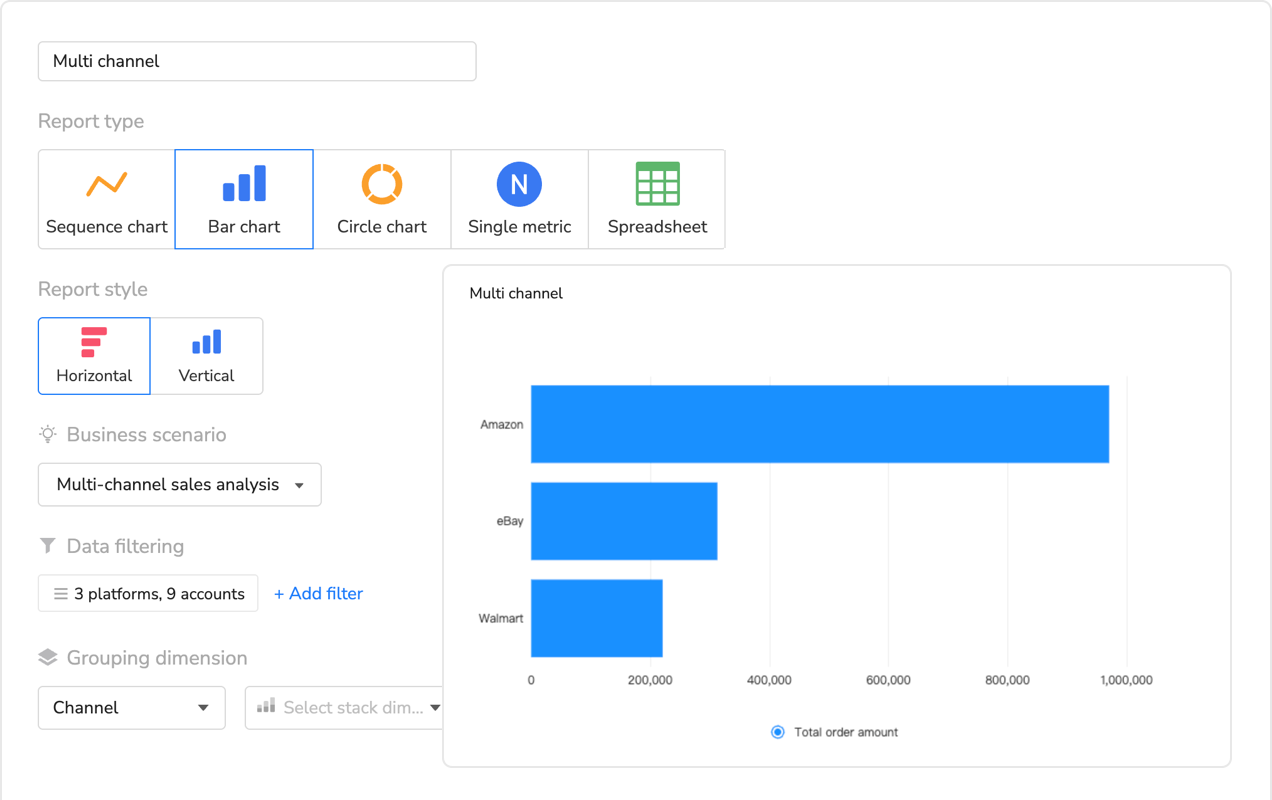
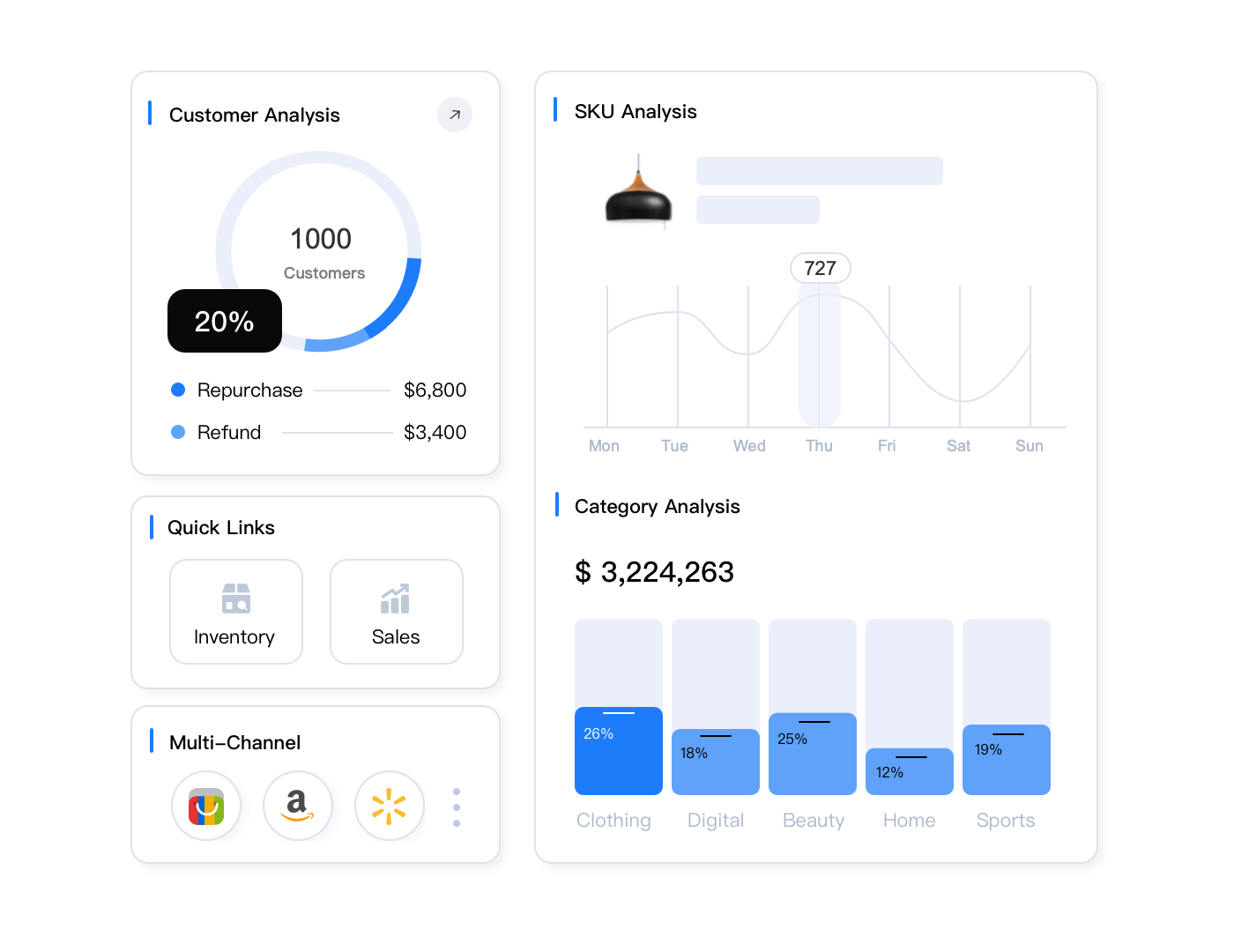
With Maxmerce’s Custom Dashboard Creator, you can create a dedicated reimbursement tracking dashboard showing all pending claims, recovery amounts, approval rates, and deadline alerts in one centralized view. This visibility helps ensure systematic claim management and maximizes recovery rates.
Writing Effective Claim Descriptions
Clear, concise claim descriptions help Amazon’s review team understand the issue quickly, accelerating approval. Avoid emotional language, focus on facts, and reference specific documentation.
Effective Claim Template:
“Shipment [Shipment ID] containing [X] units of [FNSKU] was delivered to fulfillment center [FC Code] on [Date] per carrier tracking [Tracking Number]. Amazon’s receipt shows only [Y] units received, creating a discrepancy of [X-Y] units. Attached documentation includes carrier delivery confirmation and original shipment creation details showing [X] units sent. Requesting reimbursement for [X-Y] lost units at manufacturing cost of $[Amount] per unit.”
Common Mistakes to Avoid:
- Vague descriptions without specific quantities or dates
- Emotional language criticizing Amazon’s operations
- Missing key identifiers (shipment ID, FNSKU, order numbers)
- Incomplete documentation forcing manual review
- Requesting retail value instead of manufacturing cost
Following Up on Pending Claims
Claims awaiting Amazon review require systematic follow-up to prevent indefinite pending status. Amazon’s support system sometimes loses track of claims, requiring seller persistence for resolution.
Follow-Up Timeline: If no response within 7 days, open a Seller Support case referencing the claim ID. If no resolution within 14 days, escalate to account health team. For claims pending over 30 days without substantive response, request manager escalation.
Case Management: Maintain detailed records of claim submissions, including submission date, claim ID, amount requested, supporting documents provided, and follow-up communication history. This documentation helps during escalation and proves compliance with claim procedures.
Success Strategy: Sellers using systematic inventory tracking and complete documentation report claim approval rates above 85%, compared to 50-60% approval rates for incomplete submissions. Investing time in proper documentation significantly improves recovery outcomes.
Reimbursement Services vs. Self-Management
Third-party reimbursement services offer to handle claim identification and submission in exchange for commission on recovered amounts. Understanding the tradeoffs helps determine the best approach for your business.
Reimbursement Service Models
Most reimbursement services operate on contingency basis, charging 20-25% commission on successfully recovered claims. Services audit your FBA account, identify reimbursable issues, submit claims, and follow up until resolution.
Service Provider Process: You grant read-only API access to your Amazon Seller Central account. The service downloads transaction data, analyzes for discrepancies, prepares claim submissions, and manages Amazon communication. You receive net reimbursement after commission.
Typical Commission Rates:
- Standard claims: 20-25% of recovered amount
- Complex cases: 25-30% of recovered amount
- Claims requiring appeal: 30-35% of recovered amount
Cost-Benefit Analysis
Whether reimbursement services provide value depends on your monthly FBA volume, time availability, and technical capability to track inventory discrepancies.
When Services Make Sense:
- Monthly reimbursements exceed $3,000 (25% commission = $750, justifying service value)
- You lack time or expertise for systematic tracking
- Complex cases requiring appeal experience
- Multiple Amazon accounts creating tracking complexity
When Self-Management Works Better:
- Monthly reimbursements below $1,000 (commissions consume significant recovery percentage)
- You have systems for inventory tracking already
- Straightforward claim types with clear documentation
- You prefer maintaining direct control over Amazon communications
Hybrid Approach
Many sellers adopt hybrid strategies using automated inventory tracking tools for discrepancy identification while handling straightforward claims themselves and outsourcing complex cases to reimbursement services.
Automated Tracking + Selective Service Use: Use inventory tracking tools to identify reimbursable issues automatically. Handle simple lost inventory and warehouse damage claims yourself. Engage reimbursement services for complex return discrepancies or cases requiring appeals.
This approach minimizes service commissions while maintaining comprehensive claim coverage and leveraging professional expertise for difficult cases.
Track FBA Inventory Discrepancies Automatically
Maxmerce’s FBA/WFS Inventory Tracking monitors fulfillment inventory levels, helping identify reimbursable discrepancies automatically. Track claims and monitor recovery progress.
Advanced Reimbursement Strategies
Beyond basic claim submission, sophisticated sellers implement proactive strategies minimizing losses and maximizing recovery under Amazon’s new policy framework.
Cost Documentation Optimization
Since reimbursements now depend on reported manufacturing costs, accurate cost documentation directly impacts recovery amounts. Maintaining detailed cost records for all products maximizes reimbursement values.
Acceptable Cost Documentation: Supplier invoices showing per-unit cost, freight bills allocated to units, customs documentation for imported goods, and manufacturing contracts specifying unit costs. Amazon accepts documented costs, not estimates.
Bundled Product Costs: For product bundles or multi-packs, document individual component costs plus bundling labor/materials. Amazon reimburses the complete bundle manufacturing cost, not individual component values.
Damage Prevention Strategies
While reimbursement helps recover costs, preventing damage and loss in the first place protects profit margins more effectively than claims.
Packaging Improvements: Invest in robust packaging designed for multiple warehouse handlings. Reinforced corners, double-wall construction, and protective inserts reduce warehouse damage rates. Higher packaging cost often costs less than lost reimbursement value.
Shipment Preparation Compliance: Follow Amazon’s FBA shipment requirements precisely. Non-compliant shipments face higher damage rates during receipt processing. Proper labeling, box sizes, and weight distribution reduce handling issues.
Inventory Turnover Optimization
Faster inventory turnover reduces exposure to warehouse loss and damage. Products sitting in FBA fulfillment centers for months face higher risk than fast-moving inventory.
Long-Term Storage Fee Management: Products in FBA beyond 365 days incur double storage fees and face higher loss/damage risk. Regular inventory reviews identifying slow-moving products enable timely removal before long-term storage triggers.
Seasonal Inventory Planning: Remove seasonal inventory after peak selling periods rather than leaving it in FBA warehouses for months. The cost of removal and re-shipment often beats extended storage fees plus loss risk.
Multi-Channel Reimbursement Considerations
Sellers using both Amazon FBA and Walmart WFS must navigate different reimbursement policies, claim processes, and documentation requirements for each platform.
Walmart WFS vs. Amazon FBA Reimbursement
Walmart’s WFS program has different reimbursement policies than Amazon FBA. Understanding these differences helps sellers optimize fulfillment channel selection and claim strategies.
Walmart WFS Policy: Walmart calculates reimbursements similarly to Amazon’s new policy, based on wholesale cost rather than retail price. However, Walmart’s claim submission process and evidence requirements differ from Amazon’s approach.
Claim Timeline Differences: Walmart provides a 12-month claim window for lost or damaged WFS inventory compared to Amazon’s 18-month window. This shorter timeline requires more aggressive monitoring for Walmart fulfillment.
Documentation Standards: Walmart WFS requires similar documentation to Amazon but has different formatting preferences and submission portals. Sellers need separate processes for each platform.
Cross-Platform Inventory Tracking
Managing reimbursement claims across multiple fulfillment networks requires centralized tracking systems monitoring all platforms simultaneously.
Multi-channel analytics platforms can help track inventory across Amazon FBA, Walmart WFS, and other fulfillment services from unified dashboards. This centralized visibility helps identify discrepancies across all channels without managing separate tracking systems.
Future-Proofing Your Reimbursement Strategy
Amazon’s March 2025 policy change likely represents the beginning of tighter reimbursement policies. Preparing for potential future changes helps maintain recovery capabilities regardless of policy evolution.
Anticipating Further Policy Changes
Amazon may implement additional reimbursement restrictions as the platform matures and operational costs increase. Potential future changes could include stricter claim deadlines, higher evidence requirements, or category-specific reimbursement caps.
Documentation Preparation: Maintain comprehensive records exceeding current requirements. Enhanced documentation protects claim eligibility even if Amazon implements stricter evidence standards.
Cost Tracking Discipline: Accurate, detailed cost documentation becomes increasingly important as reimbursements tie directly to reported costs. Implement consistent cost tracking for all products from day one.
Building Resilient Systems
Reimbursement strategy should integrate with broader inventory management, financial tracking, and operational systems rather than existing as isolated claim process.
Integrated Inventory Management: Connect reimbursement tracking with purchase orders, shipment creation, and inventory forecasting. This integration helps identify discrepancies earlier and maintains complete audit trails supporting claims.
Financial Impact Monitoring: Track reimbursement recovery as a percentage of overall FBA costs. Declining recovery rates signal need for improved loss prevention strategies or alternative fulfillment options.
Frequently Asked Questions
What changed in Amazon’s reimbursement policy in March 2025?
In March 2025, Amazon changed its FBA reimbursement calculation from estimated sale price to manufacturing cost only. This policy change significantly reduced reimbursement amounts for lost or damaged inventory. Sellers now receive only their manufacturing/wholesale cost instead of the retail value they would have earned from selling the product. This makes proactive inventory tracking and timely claims submission more critical than ever.
How much can I recover through Amazon FBA reimbursements?
Recovery amounts vary based on inventory value and claim type. Sellers typically recover between $500 to $5,000 monthly depending on their FBA volume, with high-volume sellers recovering $10,000+ annually. However, after March 2025 policy changes, reimbursements are calculated based on manufacturing cost rather than sale price, significantly reducing recovery amounts compared to previous years.
What types of Amazon FBA issues qualify for reimbursement?
Amazon reimburses for lost inventory in fulfillment centers, warehouse damaged units, customer return discrepancies, removal order errors, inbound shipment problems, and carrier lost shipments. Each claim type has specific documentation requirements and submission deadlines. Sellers must file claims within 18 months of the eligible transaction for lost or damaged inventory.
How long does Amazon take to process reimbursement claims?
Amazon typically processes straightforward reimbursement claims within 7-14 days. Complex cases requiring additional documentation or investigation can take 30-60 days. Claims filed with complete documentation and clear evidence process faster than incomplete submissions. Automated tracking systems help monitor claim status and follow up on delayed cases.
Can I automate Amazon reimbursement claim tracking?
Yes, automated inventory tracking tools can help monitor FBA inventory discrepancies, identify reimbursable issues, track claim submissions, and follow up on pending cases. These systems compare Amazon’s inventory records against your shipment data to identify discrepancies eligible for reimbursement. Automation significantly increases claim recovery rates by ensuring no eligible issues are missed.
Should I use a reimbursement service or handle claims myself?
The decision depends on your FBA volume, time availability, and claim complexity. Third-party reimbursement services typically charge 20-25% commission but handle all claim research and submission. For sellers with monthly reimbursements below $1,000, self-management using inventory tracking tools often provides better value. High-volume sellers with $3,000+ monthly reimbursements may benefit from service providers’ expertise.
What documentation do I need for Amazon reimbursement claims?
Documentation requirements vary by claim type but typically include shipment IDs, FNSKUs, carrier tracking confirmations, proof of discrepancy, and manufacturing cost documentation. Lost inventory claims require shipment creation records and carrier delivery proof. Warehouse damage claims need inventory reports showing damage. Complete documentation dramatically improves approval rates and processing speed.
Can I claim reimbursement for inventory lost years ago?
No, Amazon requires reimbursement claims within 18 months of the eligible transaction. Claims for lost or damaged inventory older than 18 months are automatically denied regardless of documentation quality. This strict deadline makes proactive, systematic tracking essential for maximizing recovery. Regularly audit your FBA inventory to identify and claim discrepancies before deadlines expire.
Conclusion: Adapting to the New Reimbursement Reality
Amazon’s March 2025 shift to manufacturing cost-based reimbursements fundamentally changed FBA economics, particularly for private label and high-margin sellers. While recovery amounts decreased substantially, systematic claim management still enables sellers to recover thousands in lost inventory value annually.
Success under the new policy requires three critical capabilities: accurate manufacturing cost documentation, proactive discrepancy identification through automated tracking, and systematic claim submission with complete evidence. Sellers who adapt their operations to these requirements can maintain healthy reimbursement recovery rates despite policy changes.
More importantly, the policy change reinforces the importance of loss prevention over claim recovery. Improving packaging, optimizing inventory turnover, and following FBA requirements precisely reduces the inventory losses that now reimburse at significantly lower rates.
Maxmerce’s FBA/WFS Inventory Tracking provides automated discrepancy detection, helping identify reimbursable issues across Amazon and Walmart fulfillment networks. Real-time monitoring and data export capabilities are designed to help ensure no eligible claims slip through unnoticed. Starting from $19/month, these tools can help maximize reimbursement recovery under Amazon’s new policy framework.
Amazon reimbursement claims represent recovered capital that drops directly to your bottom line. In an environment of increasing fees and tighter margins, systematic reimbursement recovery helps protect profitability and ensures Amazon bears the cost of fulfillment errors rather than your business absorbing those losses.