Amazon to Walmart Expansion 2025: Win Buy Box

Quick Answer
Amazon to Walmart expansion 2025 reduces competition by 85% (160K vs 6M+ sellers), cuts advertising costs 60-75%, eliminates monthly fees ($480/year savings), and provides WFS Buy Box advantages. Successful expansion takes 3-6 months with proper tools and strategy.
Amazon to Walmart expansion in 2025 is the #1 diversification strategy for e-commerce sellers, driven by Walmart’s explosive 40% seller growth and dramatically reduced competition compared to Amazon’s saturated marketplace. With over 160,000 active third-party sellers compared to Amazon’s millions, Walmart offers unprecedented opportunities for visibility and profit margin protection through strategic WFS (Walmart Fulfillment Services) positioning.
This comprehensive guide reveals how successful Amazon sellers are leveraging Walmart’s evolving Buy Box algorithm, WFS advantages, and multi-channel automation tools to capture market share while Amazon becomes increasingly competitive and expensive.
Key Takeaways:
- 40% seller growth on Walmart in 2024 with 160,000+ active sellers vs Amazon’s millions (Walmart Marketplace, 2024)
- No monthly subscription fee vs Amazon’s $39.99 Professional Plan, reducing overhead costs (Walmart Seller Center, 2024)
- Lower advertising costs with 60-75% cheaper CPCs compared to Amazon Ads (Industry Analysis, 2024)
- WFS enrollment significantly improves Buy Box eligibility and customer trust (Walmart WFS, 2024)
- Multi-channel tools can reduce expansion time from weeks to hours with automated listing migration
Why Amazon Sellers Are Expanding to Walmart in 2025
The e-commerce landscape has fundamentally shifted in 2025, with Amazon to Walmart expansion becoming essential for sustainable growth. Market data reveals compelling reasons why this Amazon to Walmart expansion strategy is no longer optional but critical for competitive positioning.
Reduced Competition and Better Visibility
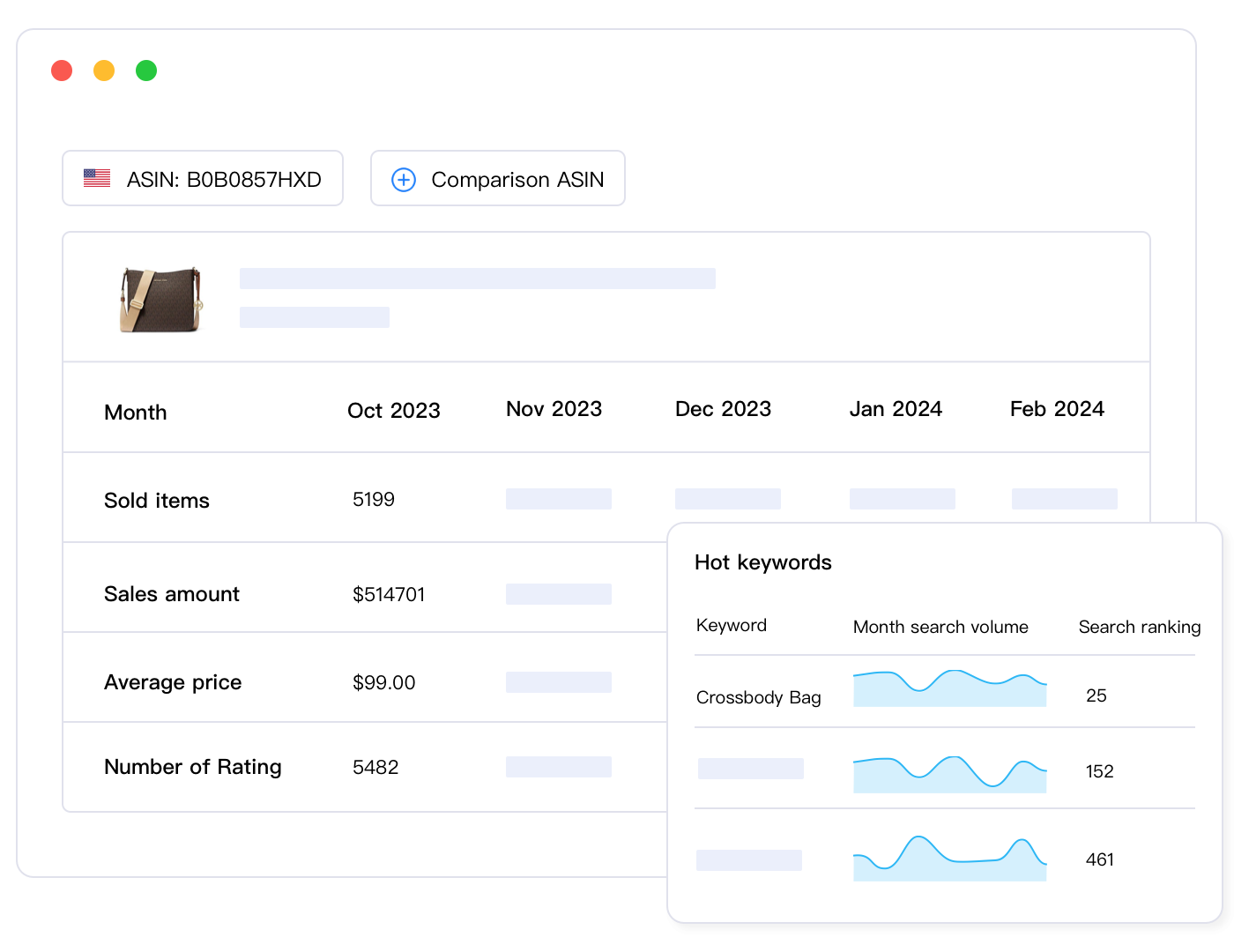
Walmart Marketplace hosts over 160,000 active third-party sellers compared to Amazon’s estimated 6+ million active sellers worldwide. This dramatic difference in seller density means significantly less competition for product visibility and customer attention. In many categories, Walmart has 5-10x fewer sellers competing for the same customer searches.
The search result visibility advantage is immediately apparent. Where Amazon shoppers might scroll through dozens of similar products, Walmart shoppers typically see far fewer options, increasing the likelihood of click-through and conversion for each listed product.
Lower Fee Structure and Better Margins
| Fee Type | Amazon | Walmart | Savings |
|---|---|---|---|
| Monthly Subscription | $39.99 | $0 | $479.88/year |
| Referral Fees | 8-15% | 6-15% | Up to 2% |
| Advertising CPC | $1.50-$4.00 | $0.50-$1.50 | 60-75% lower |
| Fulfillment (similar item) | $3.50-$5.00 | $3.00-$4.50 | 10-15% lower |
The elimination of monthly subscription fees alone saves sellers nearly $480 annually, while lower advertising costs can reduce customer acquisition expenses by 60-75%. These margin improvements become even more significant at scale, where a 2-3% fee reduction can translate to thousands in additional profit.
Strategic Diversification Benefits
Beyond immediate cost savings, Amazon to Walmart expansion 2025 provides crucial business risk mitigation. Amazon’s increasingly strict policies, account suspension risks, and algorithm changes can devastate single-channel businesses overnight. This Amazon to Walmart expansion creates a safety net while tapping into a distinct customer demographic.
Understanding Walmart’s Buy Box Algorithm in 2025
Walmart’s Buy Box operates differently from Amazon’s algorithm, creating unique opportunities for sellers who understand its mechanics. The Walmart Buy Box algorithm 2025 prioritizes specific factors that savvy sellers can leverage for competitive advantage.
Primary Buy Box Factors
Walmart’s algorithm weighs several key factors when determining Buy Box winners:
- Total Price (Including Shipping): The most heavily weighted factor, with even $0.01 differences impacting visibility
- Fulfillment Method: WFS enrollment provides significant algorithm preference
- Seller Performance Metrics: Order Defect Rate, Late Shipment Rate, Cancellation Rate
- Inventory Availability: Consistent stock levels prevent Buy Box losses
- Shipping Speed: Two-day delivery capability strongly favored
How WFS Enrollment Impacts Buy Box Eligibility
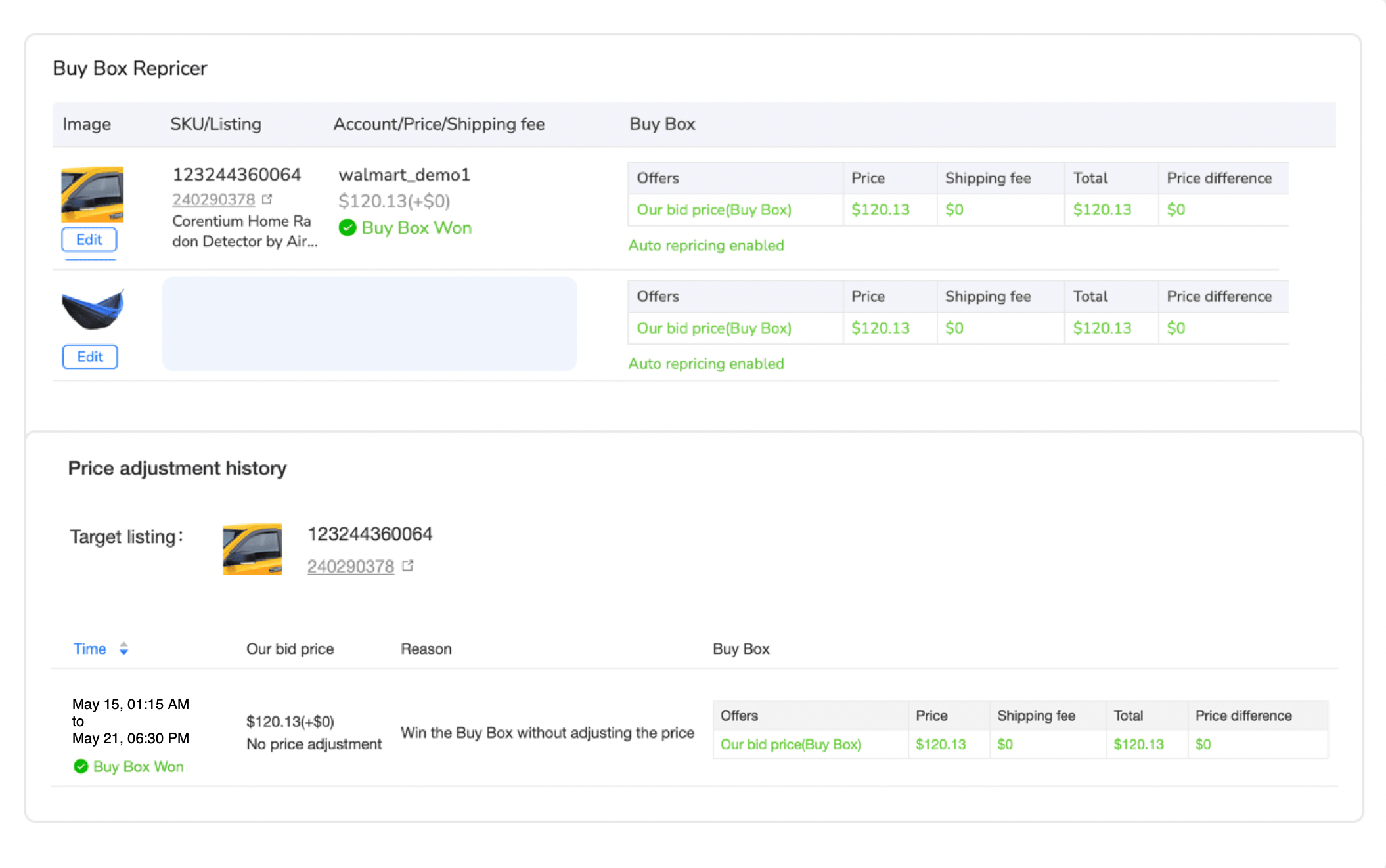
WFS enrollment dramatically improves Buy Box eligibility through multiple algorithm advantages. Walmart’s algorithm recognizes WFS sellers as more reliable, offering faster shipping and better customer experience. Internal data suggests WFS sellers win the Buy Box 40-60% more often than merchant-fulfilled sellers at identical prices.
The algorithm’s preference for WFS stems from customer satisfaction metrics. WFS orders include automatic tracking, standardized packaging, and Walmart’s return network access, all contributing to higher customer satisfaction scores that feedback into Buy Box calculations.
Pro Tip: WFS sellers often maintain Buy Box positioning even when priced 3-5% higher than merchant-fulfilled competitors, demonstrating the algorithm’s strong preference for fulfillment reliability.
Real-Time Buy Box Dynamics
Unlike Amazon’s relatively stable Buy Box assignments, Walmart’s Buy Box updates dynamically throughout the day. High-demand products may see Buy Box changes every few hours, creating opportunities for automated repricing strategies to capture more sales windows.
This dynamic nature rewards sellers using automated monitoring and repricing tools that can respond to competitor price changes within minutes rather than hours or days.
WFS Strategy: Your Buy Box Competitive Advantage
Walmart Fulfillment Services has evolved into a sophisticated fulfillment network rivaling Amazon FBA in capability while offering distinct strategic advantages for Amazon to Walmart expansion in 2025.
WFS Infrastructure and Capabilities
WFS now operates over 75 fulfillment centers nationwide, providing comprehensive coverage for two-day delivery to 87% of the US population. The network includes specialized facilities for oversized items, hazardous materials, and temperature-controlled products, supporting virtually any product category.
Key WFS capabilities include:
- Two-Day Delivery Standard: Automatic eligibility for fast shipping badges
- Returns Processing: Walmart handles all customer returns and refunds
- Customer Service: Walmart’s team manages fulfillment-related inquiries
- Multi-Channel Fulfillment: Use WFS inventory for other sales channels
- Inventory Reporting: Real-time stock level monitoring and alerts
WFS vs. Amazon FBA: Strategic Comparison
| Feature | WFS | Amazon FBA | WFS Advantage |
|---|---|---|---|
| Setup Complexity | Moderate | Complex | Simpler onboarding |
| Storage Fees | $0.56/cu ft | $0.87/cu ft | 35% lower cost |
| IPI Requirements | None | Required | No inventory limits |
| Peak Season Fees | Minimal | Significant | Better Q4 margins |
| Return Processing | Included | Additional fees | Lower total cost |
The absence of Inventory Performance Index (IPI) requirements gives WFS sellers significantly more flexibility in inventory management. While Amazon FBA sellers face storage limits and potential overage fees, WFS sellers can maintain safety stock without algorithmic penalties.
Inventory Management and Cost Optimization
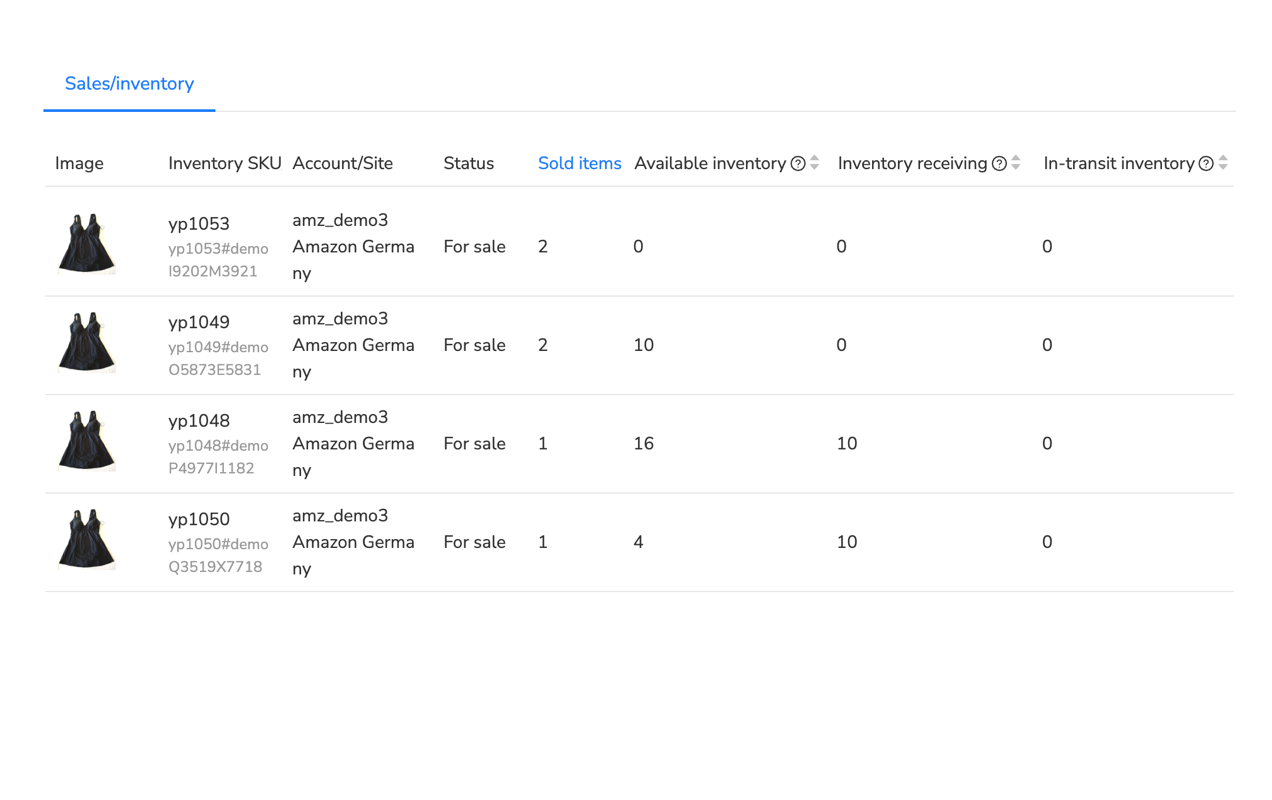
Effective WFS inventory management requires understanding seasonal patterns, regional demand variations, and optimal stock level calculations. Unlike Amazon’s punitive approach to excess inventory, WFS allows strategic overstock during high-demand periods without fear of algorithmic suppression.
Smart inventory allocation between FBA and WFS can optimize total fulfillment costs while maintaining Buy Box competitiveness on both platforms. Many successful sellers maintain 60-70% of inventory in their primary channel (often Amazon FBA) while using WFS for 30-40% allocation to capture Walmart’s growing market share.
Step-by-Step Amazon to Walmart Expansion Process
Successful Amazon to Walmart expansion 2025 requires systematic planning and execution. This proven Amazon to Walmart expansion framework has helped thousands of sellers transition smoothly while maintaining Amazon performance.
Phase 1: Pre-Expansion Analysis and Preparation
Before launching on Walmart, conduct comprehensive analysis of your current Amazon performance to identify the best expansion candidates:
- Product Performance Review: Identify top 20% of SKUs by profit margin and velocity
- Competitive Landscape Analysis: Research Walmart competition for target products
- Category Requirements Assessment: Verify Walmart category acceptance and restrictions
- Pricing Strategy Development: Calculate optimal Walmart pricing including all fees
- Inventory Planning: Determine initial WFS stock levels and reorder points
Success Metric: Focus expansion on products with <25 competitors on Walmart vs >100 on Amazon for maximum visibility impact.
Phase 2: Account Setup and Technical Integration
Walmart’s seller onboarding process requires careful attention to detail and compliance requirements:
- Business Documentation: Prepare tax documents, business licenses, and insurance certificates
- Category Applications: Submit required category approvals (can take 2-4 weeks)
- WFS Enrollment: Complete fulfillment network setup and inventory planning
- Payment Setup: Configure banking and tax settings for proper payment processing
- Integration Tools: Connect multi-channel management systems for streamlined operations
Phase 3: Product Listing Optimization for Walmart
Walmart’s search algorithm differs significantly from Amazon’s, requiring platform-specific optimization strategies:
| Element | Amazon Best Practice | Walmart Best Practice | Key Difference |
|---|---|---|---|
| Title Strategy | Keyword-rich, 150+ chars | Clear, concise, 50-75 chars | Brevity over keywords |
| Image Format | Square, white background | Square, lifestyle context OK | More creative freedom |
| Bullet Points | 5 detailed bullets | 4 concise bullets | Shorter, benefit-focused |
| Keywords | Backend keyword fields | Title and bullets only | Front-end optimization |
Phase 4: Pricing Strategy and Buy Box Positioning
Walmart’s price-sensitive customer base and algorithm require sophisticated pricing approaches:
- Competitive Price Analysis: Map all competitor pricing including shipping costs
- Margin Calculation: Factor in Walmart fees, WFS costs, and advertising spend
- Dynamic Pricing Rules: Set automated repricing boundaries and triggers
- Promotional Strategy: Plan launch promotions and ongoing discount campaigns
- Performance Monitoring: Establish KPIs for Buy Box win rate and profitability
Maxmerce Multi-Channel Tools for Seamless Expansion
Successful Amazon to Walmart expansion requires sophisticated tools that automate complex multi-channel operations. Maxmerce’s platform provides essential automation for this Amazon to Walmart expansion journey, scaling across marketplaces efficiently.
Copy Listings: Streamlined Migration Process
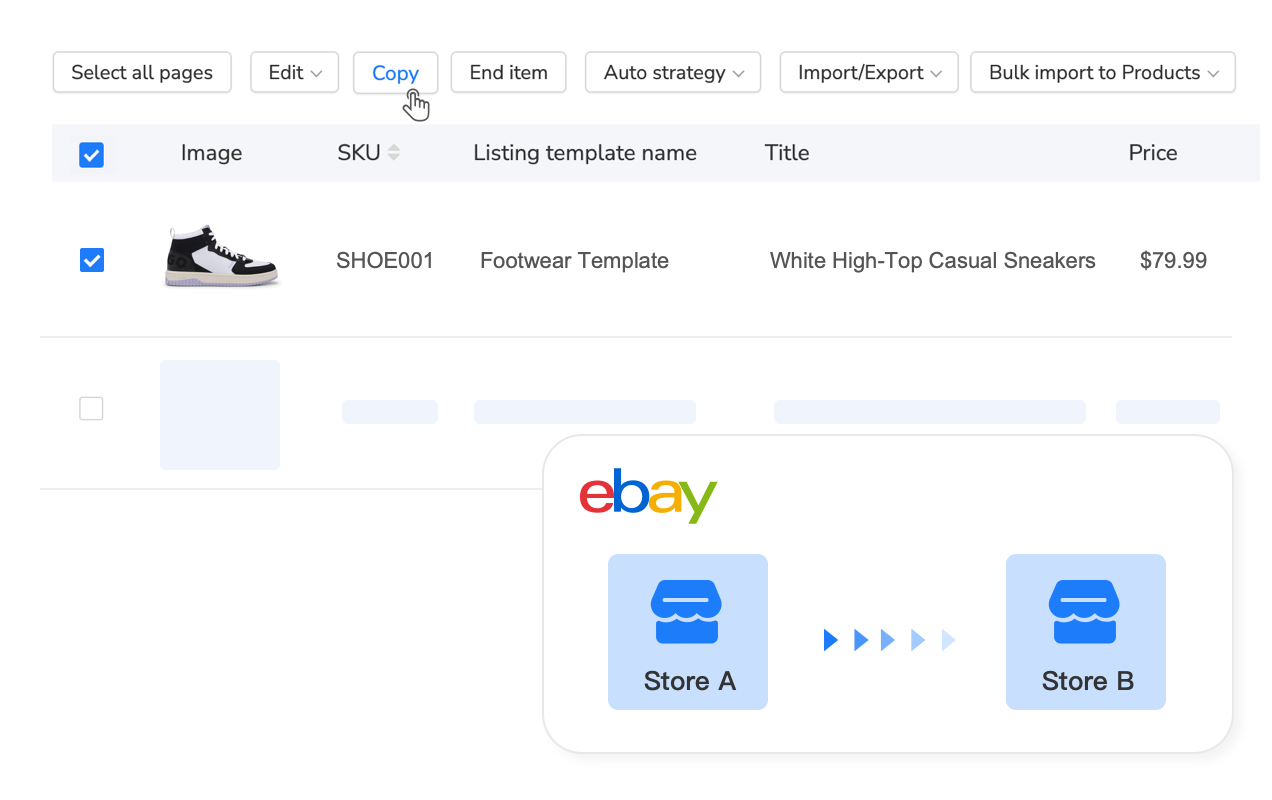
The Copy Listings feature eliminates the tedious manual work of recreating product listings across platforms. This intelligent system analyzes your Amazon listings and automatically adapts them for Walmart’s requirements, including:
- Automatic Field Mapping: Converts Amazon listing fields to Walmart equivalents
- Content Optimization: Adjusts titles, descriptions, and bullets for Walmart’s algorithm
- Image Migration: Transfers and optimizes product images for Walmart’s specifications
- Compliance Checking: Validates content against Walmart’s prohibited terms and policies
- Bulk Processing: Migrate hundreds of listings simultaneously with smart queue management
Sellers report reducing expansion time from weeks to hours using Copy Listings, with the ability to migrate entire product catalogs while maintaining listing quality and compliance.
Smart Category Mapping: Automated Platform Translation
One of the biggest challenges in multi-channel expansion is navigating different category structures across platforms. Maxmerce’s Smart Category Mapping feature uses AI to automatically translate product categories between Amazon and Walmart.
Key capabilities include:
- Intelligent Category Matching: AI-powered category translation with 95% accuracy
- Attribute Mapping: Automatic conversion of product attributes and specifications
- Learning Algorithm: Improves accuracy through manual corrections and feedback
- Compliance Validation: Ensures products meet platform-specific category requirements
- Bulk Operations: Process thousands of category mappings in minutes
Time Savings: Smart Category Mapping can reduce category setup time by up to 90%, eliminating manual research and mapping work.
Multi-Channel Dashboard: Unified Performance Management
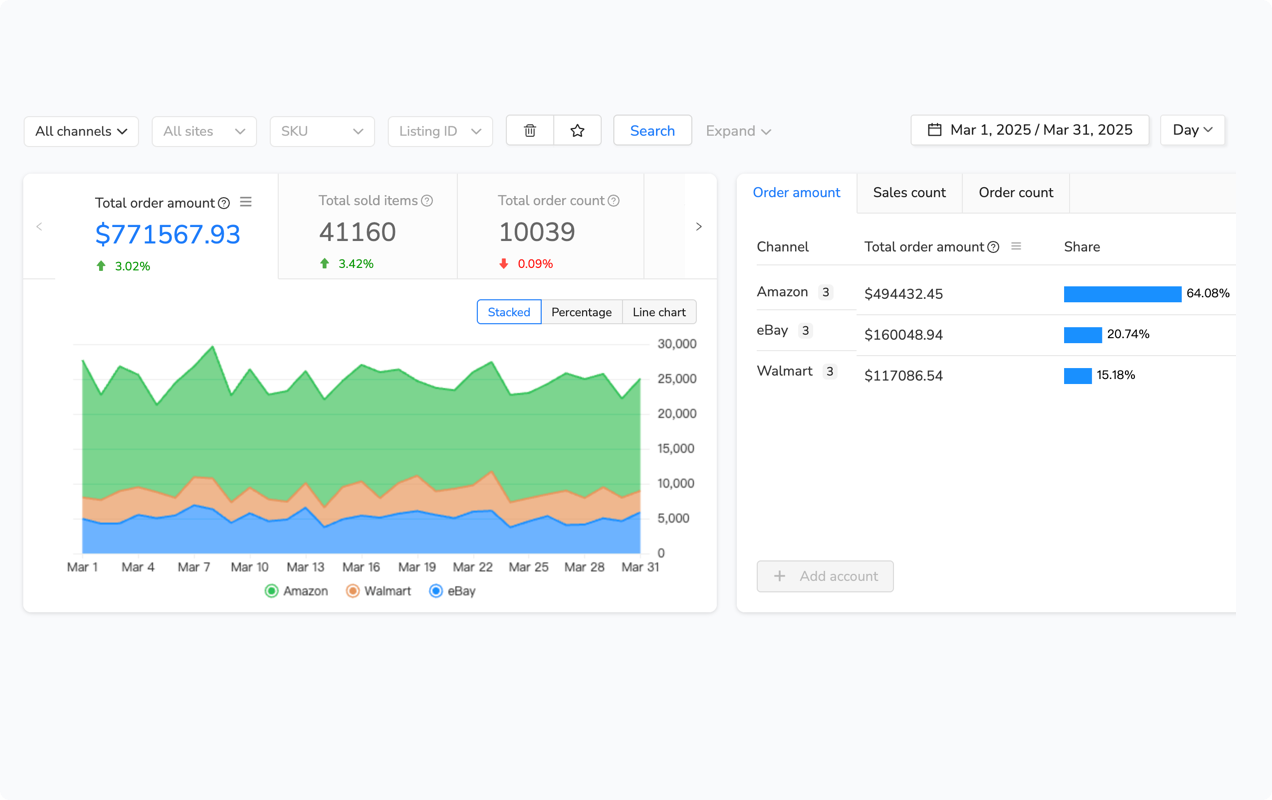
Managing performance across multiple marketplaces becomes exponentially complex without proper tools. The Multi-Channel Dashboard provides unified visibility into Amazon and Walmart performance, enabling data-driven optimization decisions.
Essential dashboard features include:
- Unified Metrics View: Compare sales, profit, and performance across platforms
- Inventory Synchronization: Real-time stock level monitoring prevents overselling
- Buy Box Tracking: Monitor Buy Box win rates on both Amazon and Walmart
- Profit Analysis: Calculate true profitability including all platform fees
- Performance Alerts: Automated notifications for issues requiring attention
The dashboard consolidates what typically requires 6-8 different tools into a single interface, saving up to 10 hours per week on multi-channel reporting and monitoring tasks.
Advanced Buy Box Winning Strategies for 2025
Mastering Walmart’s Buy Box in 2025 requires understanding both algorithmic factors and strategic positioning. These advanced strategies help sellers maintain competitive advantage while protecting profit margins.
Dynamic Pricing Automation and Competitive Response
Walmart’s real-time Buy Box updates demand automated pricing strategies that can respond to market changes instantly. Successful sellers implement sophisticated repricing algorithms that balance competitiveness with profitability:
- Time-Based Pricing: Adjust prices during peak shopping hours when conversion rates are highest
- Velocity-Based Rules: Increase prices on fast-moving inventory to maximize profit
- Competitor Gap Analysis: Maintain optimal price differential based on product positioning
- Margin Protection: Set absolute minimum prices to prevent unprofitable sales
- Promotional Coordination: Integrate with advertising campaigns for maximum impact
Advanced Strategy: Use different pricing strategies for weekdays vs. weekends, as Walmart shoppers show distinct browsing and purchasing patterns based on timing.
Performance Standards and Compliance Optimization
Walmart’s Seller Performance Standards directly impact Buy Box eligibility. Meeting all five standards can increase views by 40%, orders by 40%, and customer ratings by 10%:
| Performance Standard | Requirement | Impact on Buy Box | Optimization Strategy |
|---|---|---|---|
| Order Defect Rate | <1% | High | Quality control, packaging improvements |
| Cancellation Rate | <2.5% | High | Inventory management, accurate listings |
| Late Shipment Rate | <4% | Medium | WFS enrollment, processing automation |
| Response Time | <24 hours | Medium | Automated responses, team training |
| Valid Tracking Rate | >95% | Medium | Shipping integration, WFS usage |
Inventory Optimization for Buy Box Consistency
Maintaining consistent inventory levels prevents Buy Box losses due to stockouts. Advanced inventory strategies include:
- Predictive Restocking: Use sales velocity data to forecast demand and prevent stockouts
- Safety Stock Buffers: Maintain 15-20% buffer inventory for high-velocity products
- Seasonal Adjustments: Increase safety stock during peak seasons and promotional periods
- Lead Time Optimization: Work with suppliers to reduce replenishment cycles
- Emergency Stock Procedures: Establish fast-track restock procedures for critical items
Customer Experience Enhancement

Walmart’s algorithm increasingly weighs customer satisfaction metrics in Buy Box decisions. Strategies for customer experience optimization include:
- Proactive Communication: Send tracking information and delivery updates automatically
- Quality Packaging: Invest in branded packaging that enhances unboxing experience
- Fast Issue Resolution: Respond to customer inquiries within 4-6 hours
- Feedback Management: Actively request and manage customer reviews and ratings
- Return Process Optimization: Make returns easy to encourage positive feedback
ROI Analysis and Success Metrics
Measuring the success of Amazon to Walmart expansion 2025 requires tracking specific KPIs that indicate both immediate performance and long-term viability.
Financial Performance Indicators
Key financial metrics to track during expansion:
- Revenue Growth Rate: Month-over-month sales increase on Walmart
- Profit Margin Improvement: Compare net margins between Amazon and Walmart
- Customer Acquisition Cost: Cost per new customer on each platform
- Inventory Turnover: How quickly products sell on Walmart vs. Amazon
- Return on Ad Spend (ROAS): Advertising efficiency comparison
Operational Success Metrics
Beyond financial performance, operational metrics indicate the health and sustainability of your Walmart expansion:
- Buy Box Win Rate: Percentage of time winning Buy Box for target products
- Listing Conversion Rate: Visitor-to-purchase conversion optimization
- Performance Standards Compliance: Maintenance of all five Walmart standards
- Inventory Stockout Rate: Frequency and duration of out-of-stock situations
- Customer Satisfaction Scores: Reviews, ratings, and feedback trends
Timeline Expectations and Milestones
Realistic timeline expectations for Amazon to Walmart expansion:
| Timeline | Milestone | Expected Results | Key Actions |
|---|---|---|---|
| Month 1-2 | Account Setup & First Listings | 10-20 products live | Category approvals, WFS setup |
| Month 3-4 | Initial Sales & Optimization | 5-10% of Amazon revenue | Pricing optimization, advertising launch |
| Month 5-6 | Scale & Profitability | 15-20% of Amazon revenue | Catalog expansion, process automation |
| Month 7-12 | Mature Operations | 25-35% of Amazon revenue | Advanced strategies, team scaling |
Frequently Asked Questions
Conclusion: Seizing the Walmart Opportunity in 2025
Amazon to Walmart expansion 2025 represents the most significant growth opportunity for established e-commerce sellers. With Walmart’s explosive 40% seller growth, dramatically reduced competition, and sophisticated WFS fulfillment network, the platform offers everything needed for successful Amazon to Walmart expansion and multi-channel diversification.
The combination of lower fees, reduced advertising costs, and Buy Box advantages through WFS enrollment creates compelling margin improvements that compound over time. Sellers who master Walmart’s unique algorithm and customer preferences position themselves for sustainable competitive advantage as the platform continues its rapid growth trajectory.
Success requires systematic execution using proven tools and strategies. From automated listing migration to sophisticated Buy Box optimization, the technical complexity of multi-channel management demands purpose-built solutions that can scale with business growth.
Ready to Expand to Walmart? Get Your Free Platform Expansion Roadmap
Access our comprehensive expansion checklist, WFS setup guide, and multi-channel automation tools. Join thousands of sellers who’ve successfully diversified with our proven framework.
✓ 90-day expansion timeline
✓ WFS optimization strategies
✓ Buy Box winning tactics
✓ Multi-channel automation tools
The window of opportunity for low-competition expansion on Walmart is closing as more sellers recognize the platform’s potential. Starting your Amazon to Walmart expansion in early 2025 positions you ahead of the competition curve while Walmart’s growth creates unprecedented opportunities for Amazon to Walmart expansion success, visibility and profitability.
Take action now to secure your position in Walmart’s expanding marketplace ecosystem. With the right strategy, tools, and execution, Walmart expansion can become your most profitable growth channel while providing essential business diversification and risk mitigation.